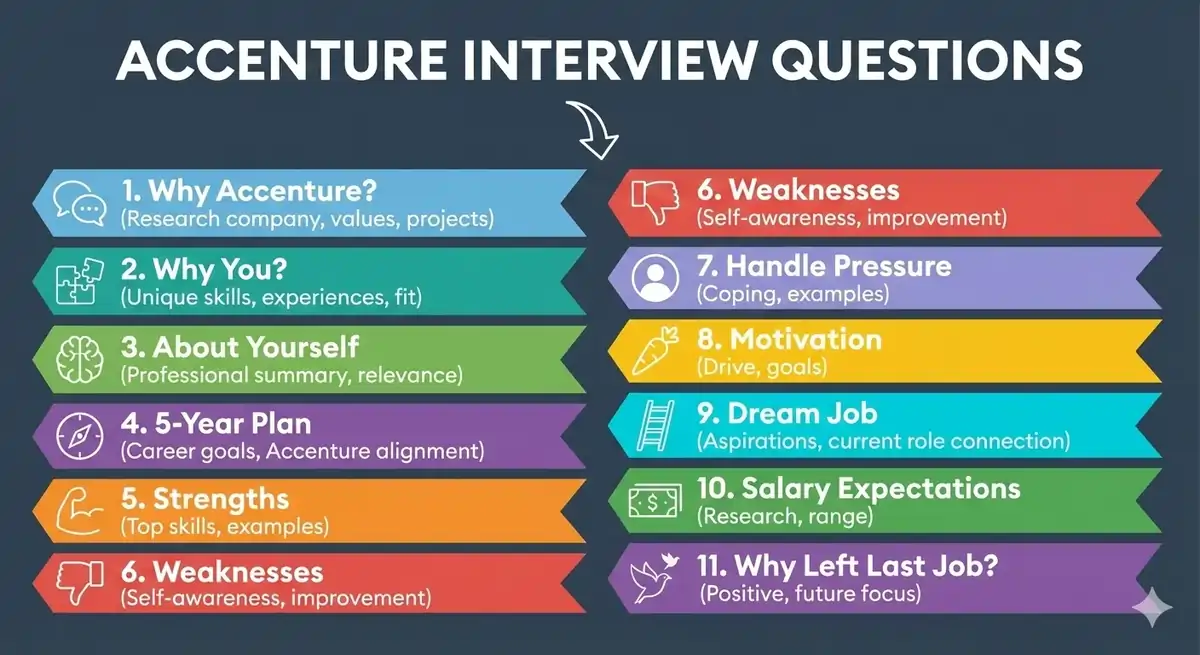
Nail your Accenture interview with confidence! Discover the top interview questions that will help you stand out and prepare effectively.
Don't let a weak resume decide your future.
Thousands of people are getting rejected — not because they're bad, but because their resume doesn't speak for them. Make a resume that actually gets shortlisted.
Build My Resume Free View Templates
✅ ATS-Friendly ✅ Instant Download ✅ 100% Free
Your next job is closer than you think.
Start in 2 minutes.
No complicated forms. Just pick a template, fill details, download.
Understanding the Role You're Applying For
Embarking on the journey to join Accenture is an exciting yet challenging endeavor. The first step to nailing your interview is a comprehensive understanding of the role you are applying for. This involves delving deep into the job description, understanding the key responsibilities, and aligning them with your skills and experiences. Researching the specific requirements and expectations for the role will not only help you tailor your responses but also demonstrate your genuine interest in the position. By showing that you have a clear grasp of what the job entails, you increase your chances of standing out as a well-prepared candidate.
Additionally, understanding the role requires a thorough investigation into the tools, technologies, and methodologies that Accenture employs. Whether you are applying for a technical role, a consulting position, or a managerial spot, being well-versed with the latest industry trends and how they apply to the role can set you apart from other candidates. Use resources like the Accenture website, professional networks, and industry publications to gather this information. Also, consider reaching out to current or former employees for insights into the day-to-day responsibilities and challenges associated with the position.
Moreover, understanding the role involves recognizing how your background and experiences align with the job. Reflect on your past experiences and identify examples that showcase your key skills and achievements relevant to the role. Prepare to discuss your achievements and how your unique background can bring value to Accenture. This reflective exercise not only boosts your confidence but also equips you with concrete examples to share during the interview. Consider creating a strong profile summary that highlights your alignment with the role. By demonstrating a clear understanding of the role, you position yourself as a thoughtful and prepared candidate.
Common Behavioral Interview Questions
Behavioral interview questions are a staple in the hiring process at Accenture. These questions are designed to assess how you have handled various situations in the past, providing insight into your behavior, skills, and potential fit within the company. One of the most common frameworks used to answer these questions is the STAR method (Situation, Task, Action, Result). This approach helps you structure your responses clearly and succinctly, ensuring that you cover all relevant aspects of the situation. Learn more about behavioral interview questions and answers to strengthen your preparation.
A typical behavioral question might be, "Can you describe a time when you had to manage a difficult project under tight deadlines?" In responding to this, outline the context of the project (Situation), your specific responsibilities (Task), the steps you took to manage the project (Action), and the outcome of your efforts (Result). By following the STAR method, you provide a comprehensive answer that highlights your problem-solving skills, time management, and ability to deliver results under pressure.
Other common behavioral questions include, "Tell me about a time when you had to work with a difficult team member," and "Describe an instance where you had to adapt to significant changes in the workplace." Preparing for these questions involves reflecting on your past experiences and identifying examples that demonstrate your competencies in teamwork, adaptability, and conflict resolution. You can also review 20 situational job interview questions and answers for additional preparation. Practice articulating your responses clearly and confidently, as this will help you convey your experiences effectively during the interview.
Accenture Interview Questions And Its Answer
1) Common Questions (10) + Answers
Q: Tell me about yourself.
A: I'm a results-driven professional with strengths in problem-solving, communication, and teamwork. In my recent work/projects, I've taken ownership of deliverables and focused on improving quality and timelines. I'm now looking to apply these strengths in a client-focused environment like Accenture.
Q: Why do you want to join Accenture?
A: Accenture's variety of projects and strong learning culture are a great match for me. I enjoy solving real business problems and working with diverse teams, which is common in Accenture's client work. This role also aligns well with the skills I want to build long-term.
Q: What do you know about Accenture?
A: Accenture is a global professional services company working across strategy/consulting and technology-focused services for clients. It's known for helping organizations with large-scale transformation and innovation-driven initiatives. That exposure is exactly what I'm looking for at this stage.
Q: Why should we hire you?
A: You should hire me because I learn quickly, communicate clearly, and stay structured under pressure. I focus on understanding requirements, breaking down problems, and delivering outcomes consistently. I also take feedback seriously and use it to improve fast.
Q: What are your strengths?
A: My key strengths are structured thinking, ownership, and collaboration. I'm comfortable working with multiple stakeholders and keeping everyone aligned on goals and timelines. I also stay calm and focused when priorities change.
Q: What is your weakness?
A: Sometimes I can spend extra time refining details to ensure high quality. To manage that, I time-box tasks and confirm expectations early, so I deliver on time without over-polishing. This approach has helped me balance speed and quality.
Q: Where do you see yourself in 5 years?
A: In five years, I want to be in a more responsible role where I lead projects or workstreams and guide others. I want to build deeper expertise and become someone who can be trusted with complex client problems. Accenture's growth paths fit well with that plan.
Q: How do you handle pressure?
A: I handle pressure by prioritizing tasks, clarifying deadlines, and communicating early if there are risks. I focus on what drives the most impact first and keep stakeholders updated. This helps me stay productive without compromising quality.
Q: What are your salary expectations?
A: I'm looking for a compensation package that matches the role, my skills, and the market range. I'm flexible and open to discussing it once I understand the full scope, expectations, and growth opportunities. If you can share the budget range, I can align better.
Q: Do you have any questions for us?
A: Yes—how will success be measured in the first 3–6 months? What are the current challenges the team is focusing on? Also, what learning/certification support is available for this role? Understanding what questions to ask at an interview can help you stand out.
2) Behavioral Questions (10) + Answers
Q: Tell me about a time you worked under a tight deadline.
A: In a recent project, the deadline moved up, so I listed tasks by impact and dependency and created a simple daily checkpoint plan. I communicated early about risks and removed blockers quickly. We delivered on time and avoided last-minute surprises.
Q: Describe a time you handled a difficult team member.
A: I focused on facts and outcomes instead of personalities, and I scheduled a one-on-one to understand their concerns. Then I agreed on roles, timelines, and communication rules. After that, collaboration improved and the work moved faster.
Q: Tell me about a time you made a mistake and what you did.
A: I once missed a small requirement detail early on, which could have caused rework later. I reported it quickly, proposed a fix with an updated timeline, and added a checklist to prevent repeats. The issue was resolved with minimal impact.
Q: Tell me about a time you received criticism.
A: I've received feedback about making my updates too detailed for some stakeholders. I asked what format they preferred, then started sharing shorter summaries with key metrics and next steps. That improved clarity and saved everyone time.
Q: Describe a time you showed leadership without authority.
A: On a group task, I took initiative to define the plan, assign owners, and set review checkpoints. I kept the discussion solution-focused and ensured everyone's input was included. The team stayed aligned and delivered a stronger output.
Q: Describe a time you had to learn something quickly.
A: I had to pick up a new tool/process to complete a deliverable. I broke learning into small goals, used official documentation, and validated by applying it to a mini-task. I became productive fast and delivered as expected. Learning AI tools can also accelerate your skill development.
Q: Tell me about a time you improved a process.
A: I noticed repeated confusion around task ownership, so I introduced a simple tracker with status, owner, and ETA. It reduced follow-ups and improved visibility for the team. The workflow became smoother and more predictable.
Q: Describe a time you managed multiple priorities.
A: I clarified which tasks were urgent vs. important, then aligned with the stakeholder on expected outcomes. I planned focused time blocks and kept quick progress updates. That helped me deliver key items without missing deadlines.
Q: Tell me about a time you solved a difficult problem.
A: I started by defining the problem clearly and identifying constraints, then tested a few options quickly. I chose the approach that balanced effort and impact and documented the reasoning. The final solution was stable and easier to maintain.
Q: Describe a time you worked with a client or stakeholder.
A: I made sure expectations were clear by confirming requirements, timelines, and success criteria. I shared regular updates and escalated risks early with possible solutions. This built trust and reduced last-minute changes.
3) Situational Questions (10) + Answers
Q: A client asks for an urgent change close to the deadline—what do you do?
A: I would first understand the change, urgency, and business impact. Then I'd explain trade-offs (scope, time, cost, quality) and propose options like phased delivery or reprioritization. Finally, I'd confirm the decision in writing and update the plan. For more guidance, check out situational interview questions.
Q: Your requirements are unclear—how will you proceed?
A: I would ask targeted clarifying questions and summarize what I understood to confirm alignment. If needed, I'd propose a short discovery step and document assumptions. This prevents rework and keeps delivery predictable.
Q: You disagree with your manager's approach—what will you do?
A: I would share my perspective respectfully with data or examples, focusing on outcomes and risks. If the final decision stays the same, I'll support it and execute well. I'll also suggest a review checkpoint to validate results.
Q: You are assigned work outside your skillset—what do you do?
A: I would be honest about what I know and propose a learning plan with a quick ramp-up timeline. I'd seek guidance from a senior/teammate and break the task into manageable parts. My goal would be to deliver while learning efficiently.
Q: A teammate is not meeting deadlines—how do you handle it?
A: I would first speak privately to understand blockers and offer support. Then I'd agree on a revised plan and communicate impacts early if deadlines are at risk. If it continues, I would escalate with facts and suggested solutions.
Q: You find a defect late in testing—what's your response?
A: I would assess severity and impact, then prioritize based on risk. I'd communicate clearly to stakeholders and propose mitigation (fix now, workaround, or patch plan). I would also add preventive steps like stronger checks earlier.
Q: The project scope keeps changing—what do you do?
A: I would implement a simple change-control approach: log changes, estimate impact, and get approvals. I'd keep scope aligned to business goals and push for prioritization. This keeps the project realistic and controlled.
Q: You're in a meeting and don't know an answer—what do you say?
A: I would be transparent and avoid guessing. I'd confirm what information is needed, commit to a timeline, and follow up with the correct answer. This protects credibility and ensures accuracy.
Q: You're asked to explain something technical to a non-technical person—how do you do it?
A: I would start with the business goal, then use simple language and a practical example. I'd avoid jargon and confirm understanding with a quick recap. If needed, I'd share a short visual or summary.
Q: You notice an ethical or compliance concern—what do you do?
A: I would pause the action, gather facts, and raise it through the correct internal channels. I would keep the discussion confidential and professional while ensuring policies are followed. Protecting integrity is more important than short-term speed.
Technical Interview Questions by Job Role
Technical interviews at Accenture are tailored to the specific job role you are applying for. If you are applying for a software engineering position, you can expect questions that test your coding skills, understanding of algorithms, and problem-solving abilities. For example, you might be asked to write code on a whiteboard or solve coding challenges on platforms like HackerRank or LeetCode. It's important to practice these types of problems regularly and be comfortable explaining your thought process. For comprehensive preparation, review 50 technical interview questions and answers for 2026.
For roles in data science or analytics, technical questions may focus on statistical methods, data manipulation, and proficiency with tools such as Python, R, and SQL. Be prepared to discuss past projects that involved data analysis, including the methodologies you used and the insights you derived. You might also be asked to interpret data sets or perform data cleaning and visualization tasks during the interview. Demonstrating your ability to handle real-world data problems will be crucial in these roles. Make sure your resume highlights relevant data entry resume skills if applicable.
Consulting roles, on the other hand, may require a different technical skill set. You might face questions related to business analysis, process improvement, and project management. For instance, you could be asked to solve a business case or analyze a company's performance metrics. Understanding frameworks like SWOT analysis, Porter's Five Forces, and Lean Six Sigma can be beneficial. Tailor your preparation to the specific technical requirements of the role, and be ready to provide examples of how you've applied these skills in previous positions.
Technical Interview Questions by Job Role (10)
Q (Software Engineering): What is the difference between an array and a linked list, and when would you use each?
A: An array stores elements in contiguous memory, so accessing an element by index is fast, but inserting/deleting in the middle can be costly. A linked list stores nodes with pointers, so insert/delete is easier if you already have the node, but random access is slower. I use arrays when I need frequent indexing and cache-friendly performance, and linked lists when I expect many inserts/deletes and sequential traversal.
Q (Software Engineering): Explain time complexity and give the complexity of binary search.
A: Time complexity describes how runtime grows as input size increases, usually written in Big-O notation. Binary search repeatedly halves the search space, so it runs in O(logn)O(logn) time on a sorted array. The key requirement is that the data must be sorted and index-accessible.
Q (Software Engineering): How would you detect a cycle in a linked list?
A: A common approach is Floyd's cycle detection (slow and fast pointers). Slow moves one step, fast moves two steps; if they ever meet, a cycle exists. This method uses constant extra memory and is efficient for large lists.
Q (Software Engineering): What is the difference between a stack and a queue? Provide a real use case.
A: A stack is LIFO (last in, first out) and a queue is FIFO (first in, first out). Stacks are useful for function call management/undo operations, while queues are useful for task scheduling and handling requests in order. Choosing one depends on whether you need "most recent first" or "oldest first" processing.
Q (Data Science/Analytics): How do you handle missing values in a dataset?
A: First, I check why values are missing (random vs. systematic) and how much is missing per column. Then I choose a strategy: drop rows/columns if missingness is small, or impute using mean/median/mode, or model-based imputation for important fields. I also add a missing-indicator feature when missingness itself may carry information.
Q (Data Science/Analytics): Explain the difference between classification and regression with an example.
A: Classification predicts categories (e.g., whether a customer will churn: yes/no), while regression predicts a continuous value (e.g., predicting monthly spend). The modeling choices and evaluation metrics differ: classification often uses accuracy/F1/AUC, while regression uses RMSE/MAE. I decide based on the type of target variable and business need.
Q (Data Science/Analytics): Write a SQL approach to find duplicate records (high level).
A: I typically group by the columns that define "duplicate" and use COUNT(*) > 1 in a HAVING clause to identify duplicates. If I need the actual rows, I join that result back to the original table or use window functions like ROW_NUMBER() to mark duplicates. The key is to define duplicates correctly (exact match vs. partial match).
Q (Data Science/Analytics): What is overfitting and how do you reduce it?
A: Overfitting happens when a model learns noise in training data and performs poorly on new data. I reduce it by using cross-validation, simplifying the model, adding regularization (like L1/L2), and improving data quality/features. I also monitor validation metrics and keep a clean train/validation/test split.
Q (Consulting): How would you perform a basic process improvement assessment?
A: I start by mapping the current process (as-is) and identifying pain points like delays, rework, handoff issues, and error rates. Then I quantify impact using data (cycle time, cost, defect rate) and find root causes using methods like 5 Whys or fishbone. Finally, I propose a to-be process with quick wins and a phased rollout plan with measurable KPIs.
Q (Consulting): Use SWOT or Porter's Five Forces to analyze a business problem—how do you do it in an interview?
A: I first confirm the business objective (growth, profitability, market entry, etc.) and then pick one framework that fits. With SWOT, I list internal strengths/weaknesses and external opportunities/threats tied to facts; with Porter's, I evaluate competition, substitutes, supplier/buyer power, and entry barriers. I end by translating the framework output into 2–3 clear recommendations and how to measure success.
Case Study Interview Questions and How to Tackle Them
Case study interviews are a significant part of Accenture's hiring process, especially for consulting roles. These interviews assess your analytical abilities, problem-solving skills, and business acumen. A typical case study might present a business scenario or problem, and you will be asked to analyze the situation, identify key issues, and propose a solution. The key to success in case study interviews is a structured approach and clear communication.
When tackling a case study, start by carefully listening to the problem statement and asking clarifying questions if necessary. This ensures that you fully understand the context and the expectations. Next, break down the problem into smaller, manageable parts. Use frameworks like the MECE (Mutually Exclusive, Collectively Exhaustive) principle to ensure that your analysis is comprehensive and logically organized. For example, if the case involves a company facing declining profits, you might analyze factors such as market conditions, operational efficiency, and competitive landscape.
Once you have identified the key issues, generate potential solutions and evaluate their feasibility. Be prepared to explain your reasoning and the pros and cons of each option. Finally, present your recommendations confidently and concisely, backing them up with data and logical arguments. Practicing case studies with peers or mentors can help you refine your approach and improve your performance. Remember, the goal is not just to find the right answer but to demonstrate your analytical thinking and problem-solving process.
Questions to Ask Your Interviewer
Asking thoughtful questions during your Accenture interview is crucial for two reasons: it shows your genuine interest in the role and the company, and it helps you gather valuable information to assess if the position is the right fit for you. Prepare a list of questions that cover various aspects of the job, team dynamics, company culture, and career development opportunities. These questions should be specific and relevant to the role and the company. For more ideas, explore what are questions to ask at an interview.
One important question to ask is, "Can you describe a typical day in this role?" This will give you insights into the day-to-day responsibilities and help you understand what to expect. Additionally, you might ask about the team structure and dynamics, such as "How is the team organized, and what is the management style?" Understanding how the team operates and how you will fit into the existing structure is crucial for your success and satisfaction in the role.
Other valuable questions include, "What are the key challenges facing the team currently?" and "What opportunities for professional growth and development does Accenture offer?" These questions demonstrate your proactive mindset and your desire to contribute positively to the team. They also provide you with a clearer picture of the potential challenges and growth opportunities within the company. For IT roles specifically, check out questions to ask at an IT interview in 2026. By asking insightful questions, you convey your enthusiasm and commitment to the role, leaving a positive impression on your interviewer.
Tips for Preparing for Your Accenture Interview
Preparation is key to acing your Accenture interview. Start by researching the company thoroughly, including its history, values, recent projects, and industry positioning. Understanding Accenture's business model and its competitive advantages will help you tailor your responses and demonstrate your alignment with the company's goals. Use resources like the company's website, annual reports, and news articles to gather this information.
Next, review common interview questions for the role you are applying for and practice your responses. This includes both behavioral and technical questions. Utilize the STAR method for behavioral questions and ensure you have concrete examples to share. For technical questions, practice coding challenges, data analysis problems, or business case studies, depending on the role. Mock interviews with friends, mentors, or through online platforms can also be beneficial. These practice sessions help you refine your answers and build confidence. Check out common interview questions 2026 and job interview questions for comprehensive preparation.
Finally, pay attention to the logistics of the interview. Ensure you have a quiet, distraction-free environment if the interview is virtual. Test your internet connection, camera, and microphone beforehand. Dress professionally, even for virtual interviews, as it helps you get into the right mindset. Have a copy of your resume, the job description, and any notes you have prepared easily accessible. Make sure your resume is ATS-friendly by avoiding these 11 ATS formatting mistakes and consider fixing your resume with 51 tips that beat ATS. Being well-prepared logistically allows you to focus on delivering your best performance during the interview.
The Importance of Company Culture and Values
Accenture places a strong emphasis on its company culture and values, making it essential for candidates to understand and align with them. The company's core values include stewardship, best people, client value creation, one global network, respect for the individual, and integrity. These values guide Accenture's actions and decisions, shaping a positive and inclusive work environment. Demonstrating your alignment with these values during the interview can significantly enhance your candidacy.
One way to showcase your alignment with Accenture's values is by sharing examples from your past experiences that reflect these principles. For instance, you might discuss a time when you went above and beyond to create value for a client, highlighting your commitment to client value creation. Or, you could describe a situation where you collaborated effectively with a diverse team, demonstrating respect for the individual and the one global network value. By presenting concrete examples, you illustrate how your values resonate with those of Accenture. Ensure your resume contact information and work experience sections clearly reflect your professional values.
Additionally, understanding the company's culture helps you assess whether it is the right fit for you. Accenture is known for its inclusive and collaborative work environment, focus on continuous learning and development, and emphasis on innovation. Reflect on your own values and career aspirations and consider how they align with Accenture's culture. A strong cultural fit not only enhances your chances of being hired but also contributes to your long-term satisfaction and success within the company. Consider reading about learning and development trends for 2026 to understand modern workplace culture.
Accenture Interview Success Stories
Hearing about successful interview experiences from others can provide valuable insights and inspiration for your own preparation. For instance, one candidate shared how their thorough research on Accenture's digital transformation projects helped them stand out during the interview. By discussing specific initiatives and expressing enthusiasm for contributing to similar projects, they demonstrated a strong understanding of the company's focus areas and their potential to add value.
Another success story involves a candidate who excelled in a case study interview by using a structured approach and clear communication. They meticulously analyzed the business problem, identified key issues, and proposed well-thought-out solutions. Their ability to articulate their thought process and justify their recommendations impressed the interviewers, leading to a job offer. This story highlights the importance of preparation, critical thinking, and effective communication in case study interviews. Learning from interview experience questions and tips can be beneficial.
A third candidate attributed their success to their ability to connect with the interviewers on a personal level. They shared stories that reflected their passion for technology and innovation, aligning with Accenture's values. Additionally, they asked insightful questions about the company's culture and growth opportunities, demonstrating their genuine interest in the role. This candidate's ability to build rapport and show enthusiasm for the position played a key role in their successful interview outcome. Make sure your resume showcases relevant interests and projects that reflect your passion.
Conclusion and Final Thoughts on Interview Preparation
Preparing for an Accenture interview requires a multifaceted approach that encompasses understanding the role, practicing common interview questions, and aligning with the company's culture and values. By thoroughly researching the company and the specific job requirements, you can tailor your responses and demonstrate your genuine interest in the position. Practicing behavioral, technical, and case study questions equips you with the skills and confidence to tackle the interview effectively.
Asking thoughtful questions during the interview not only shows your enthusiasm but also helps you gather valuable information to assess the role's suitability for you. Additionally, paying attention to logistical details and presenting yourself professionally can enhance your overall interview performance. Reflecting on success stories from other candidates can provide inspiration and insights to refine your preparation strategy. Consider reviewing job seeker survey 2025 statistics to understand current hiring trends.
Ultimately, the key to acing your Accenture interview lies in thorough preparation, clear communication, and a genuine alignment with the company's values and culture. By investing time and effort into your preparation, you can approach the interview with confidence and increase your chances of securing the role. Remember, the interview is not just about showcasing your skills and experiences but also about finding a mutual fit that ensures long-term success and satisfaction. Don't forget to create a professional resume using the right resume format that highlights your qualifications effectively.
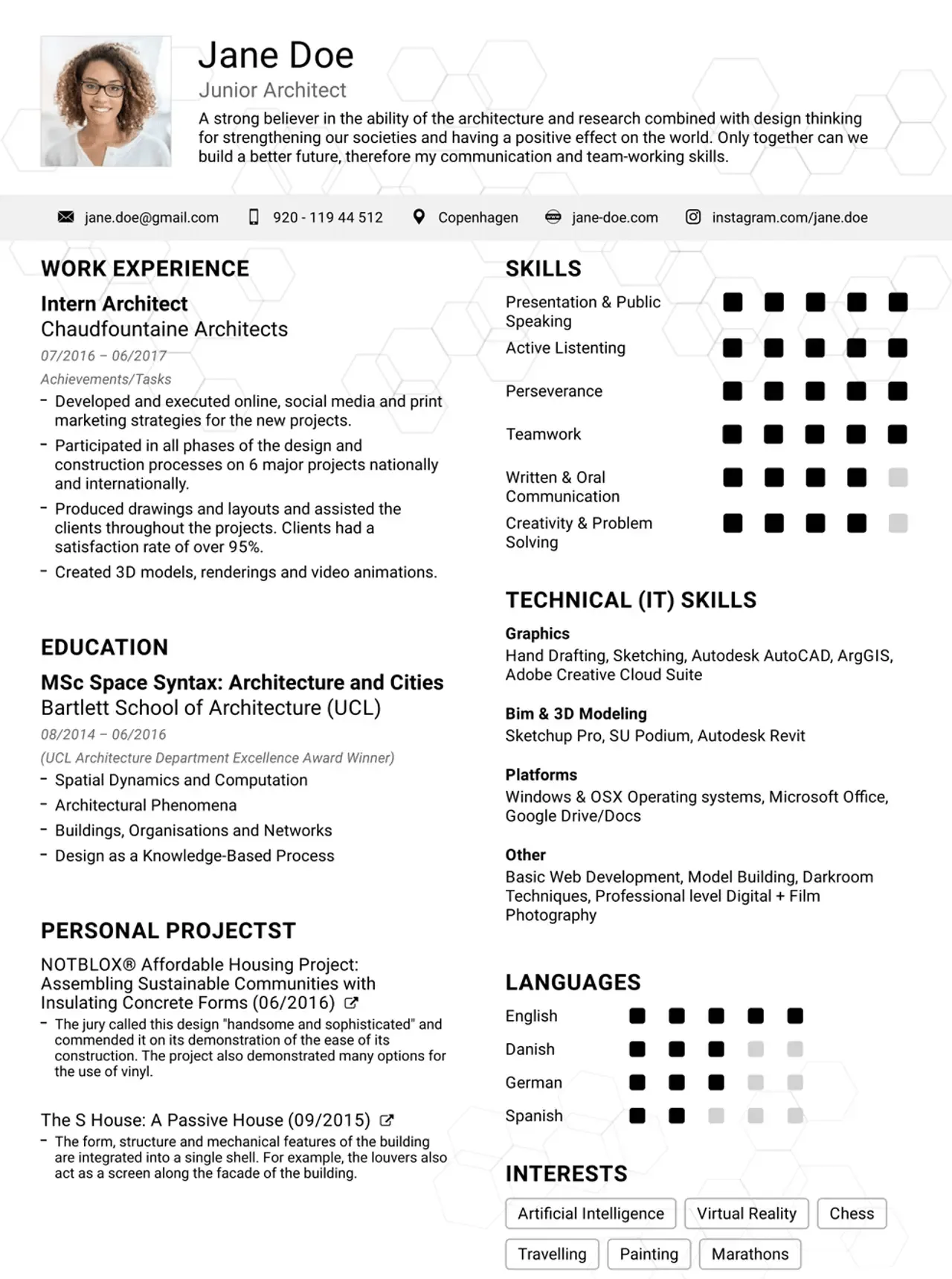
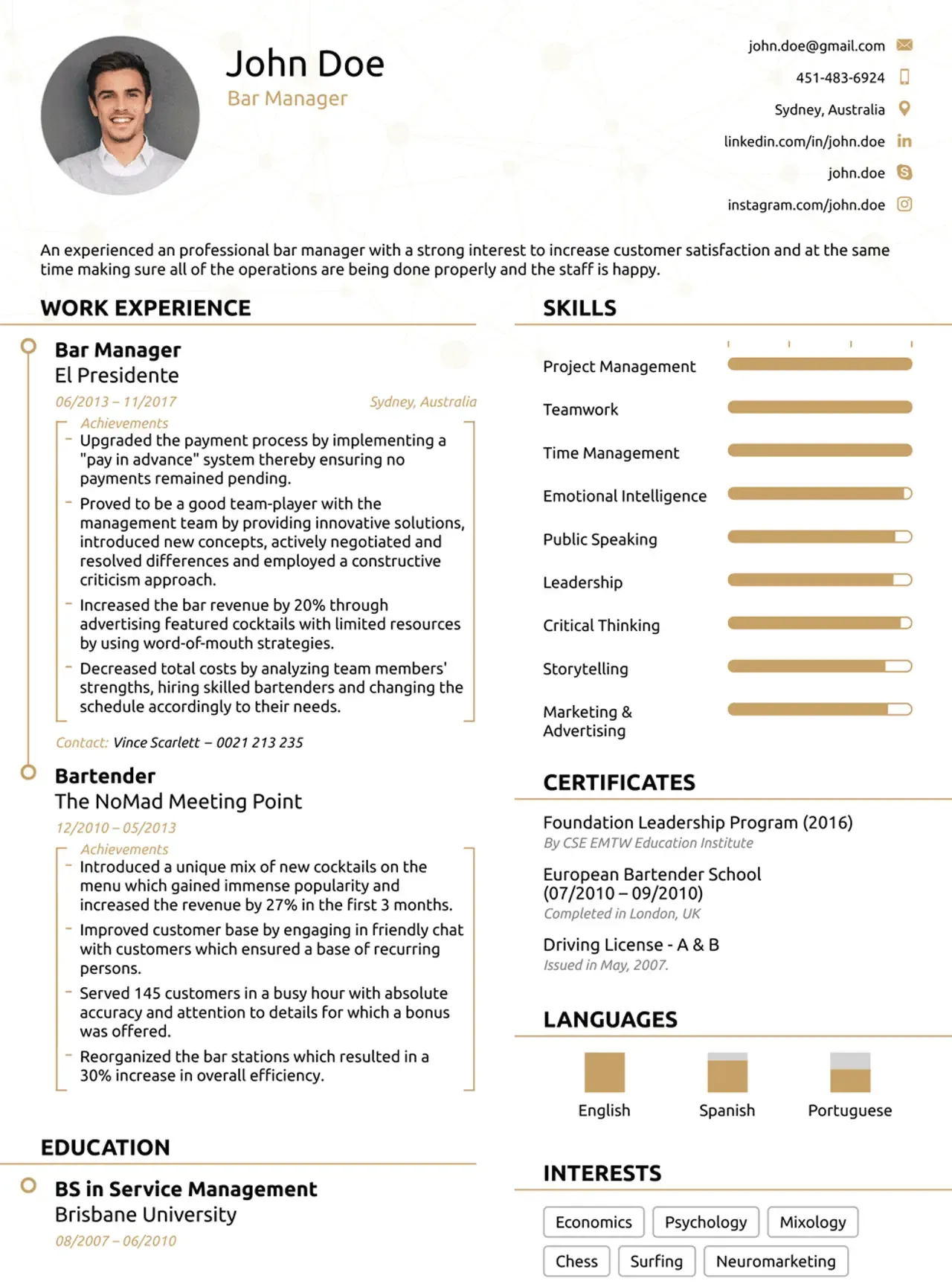
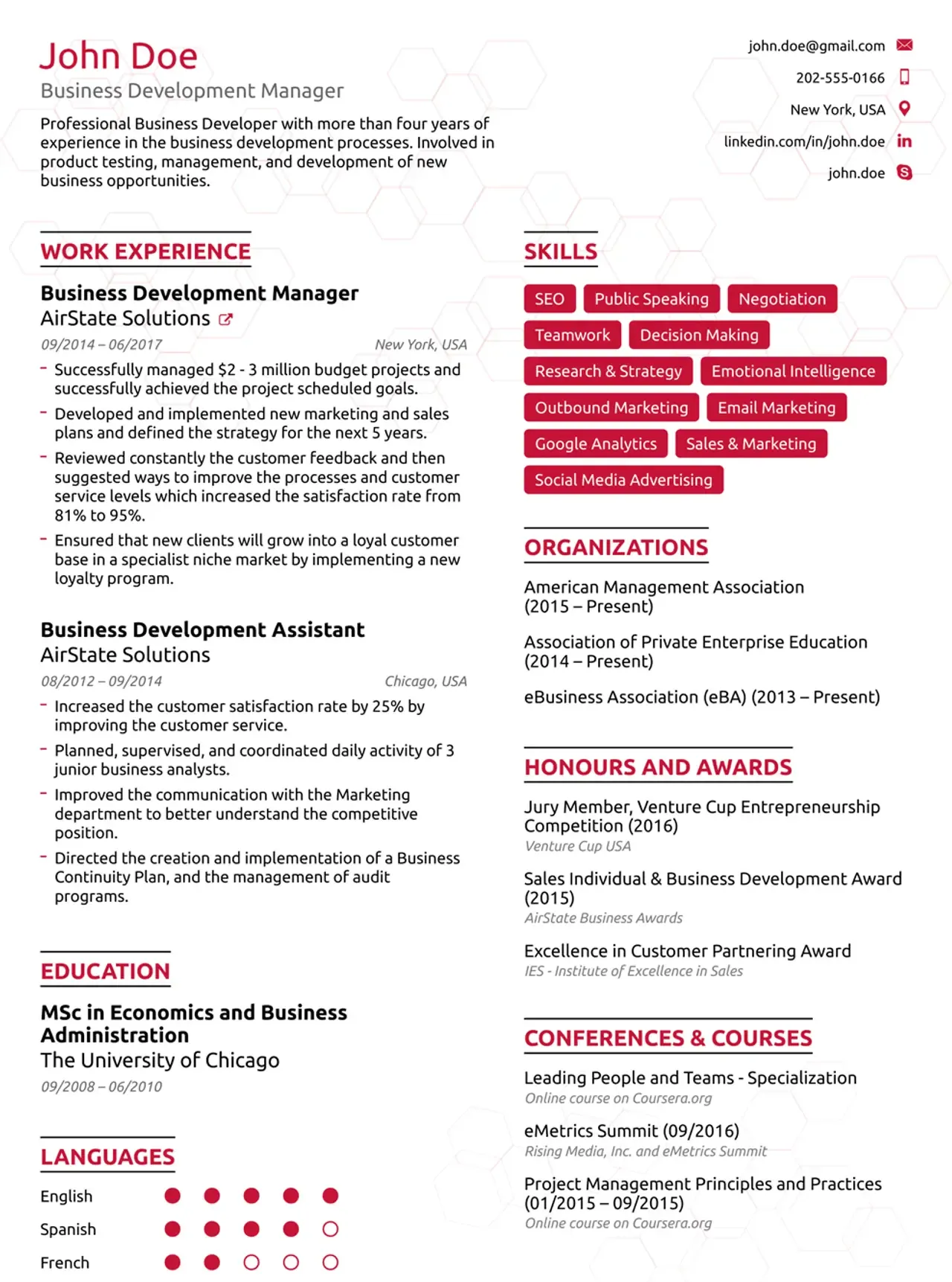
.webp)