Table of Contents
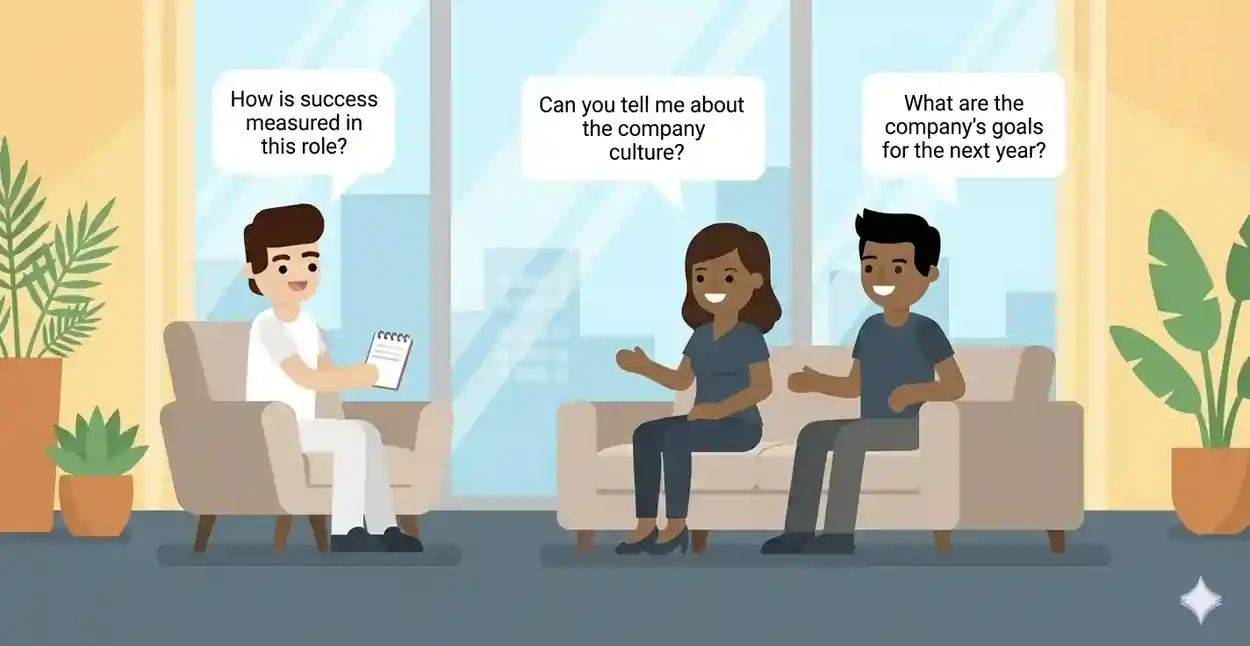
Why Asking Questions in an Interview Matters
Walking into an interview and leaving without asking questions is like buying a car without taking it for a test drive.
Asking smart questions shows you're genuinely interested in the role. It proves you've done your homework. More importantly, it helps you figure out if this job is actually right for you.
Think about it. An interview isn't just about the employer evaluating you. You're also evaluating them. Will you enjoy working here? Does the company culture match your values? Can you grow in this role?
According to recent hiring trends, candidates who ask thoughtful questions are 60% more likely to leave a positive impression. These questions demonstrate critical thinking, curiosity, and professionalism.
The best questions to ask in interview sessions accomplish three things:
-
They show your enthusiasm and preparation
-
They help you gather crucial information about the job
-
They turn the interview into a two-way conversation
When you prepare job interview questions to ask, you're taking control of your career decisions. You're not just hoping for any offer. You're making sure this opportunity aligns with your goals.
Questions About the Role and Responsibilities
What does a typical day or week look like in this role?
This question helps you visualize your future daily routine. You'll understand the balance between meetings, independent work, and collaboration. It reveals whether the job is reactive (putting out fires) or proactive (planning and strategizing).
What are the most immediate projects that need to be addressed?
This shows you're thinking ahead and ready to contribute from day one. You'll also learn about the company's priorities and whether you have the skills to tackle these challenges.
Can you show me examples of projects I'd be working on?
Concrete examples beat vague job descriptions. This question gives you a real sense of the work quality, complexity, and creativity expected.
What are the skills and experiences you're looking for in an ideal candidate?
This reveals what really matters to the hiring manager. Sometimes the actual requirements differ from what's in the job posting. You can then emphasize relevant skills you possess.
What are the biggest challenges someone in this position would face?
Every role has pain points. Understanding these upfront helps you decide if you're ready for these challenges. It also gives you a chance to explain how you'd approach them.
Is this a new role or will I be taking over for someone who's leaving?
This context matters tremendously. New roles might lack structure but offer more creativity. Replacing someone means you'll have processes to follow or improve.
How does this position contribute to the company overall?
You want to feel your work matters. This question helps you understand your role's impact on the bigger picture.
Do you expect the main responsibilities to change in the next six months to a year?
Companies evolve, and so do roles. This question reveals if you're walking into a stable position or one that requires flexibility and adaptation.
Questions About Company Culture and Values
Can you describe the company's culture and core values?
Culture determines your daily happiness at work. Listen for specific examples rather than corporate buzzwords. A healthy culture shows in stories, not slogans.
How would you describe the work environment here?
Is it collaborative or independent? Fast-paced or methodical? Formal or casual? Understanding the work environment helps you assess cultural fit.
What do you personally enjoy most about working here?
This personal question often reveals authentic insights. People's enthusiasm (or lack thereof) when answering this question speaks volumes.
How does the company support work-life balance?
Work-life balance isn't just about hours worked. It's about flexibility, respect for personal time, and company policies that support employee wellbeing.
How has the company adapted to recent industry changes or trends?
Companies that adapt survive. This question reveals whether leadership is forward-thinking or stuck in old ways. It also shows you're aware of industry dynamics.
What does the company do to foster diversity and inclusion?
Actions matter more than statements. Listen for specific programs, initiatives, or policies rather than vague commitments.
Questions About Team Dynamics
Can you tell me about the team I'll be working with?
Team composition affects your daily experience. You'll learn about team size, roles, seniority levels, and personalities. This helps you visualize your future colleagues.
Who will I be working most closely with?
Understanding your immediate collaborators is crucial. You'll know who to build relationships with and whose work style will impact yours.
How does the team handle disagreements or conflicts?
Conflict is inevitable. What matters is how teams resolve it. Healthy teams have constructive processes. Toxic teams avoid or escalate conflicts.
What's the team's working style—collaborative or independent?
Some people thrive in constant collaboration. Others prefer focused individual work. Knowing the team's style helps you assess compatibility.
How often does the team meet, and what's the communication style?
Daily standups? Weekly syncs? Slack-heavy? Email-formal? Understanding communication patterns helps you know what to expect.
Does the team participate in any team-building activities?
This reveals how much the company invests in team cohesion and employee relationships beyond just work tasks.
Questions About Growth and Career Development
What does success look like in this role after 30, 60, and 90 days?
Clear success metrics help you understand expectations. It also shows the company has a structured onboarding process.
What are the opportunities for professional development and learning?
Companies serious about growth invest in their employees. Look for mentorship programs, training budgets, conference attendance, or skill development initiatives.
What does the typical career path look like for someone in this position?
You want to know if there's room to grow. Can you become a senior specialist? Move into management? Transition to adjacent roles?
How does the company support employees who want to learn new skills?
The best companies encourage continuous learning. They might offer course reimbursements, learning days, or internal training programs.
Are there mentorship opportunities available?
Mentorship accelerates career growth. Having access to experienced professionals who guide you makes a huge difference in your development.
How often are performance reviews conducted?
Regular feedback helps you improve. Annual reviews are standard, but quarterly or monthly check-ins show a company values ongoing development.
Can you describe how the last person in this role progressed in their career?
Real examples reveal actual growth opportunities. Did they get promoted? Move to a better role? Or are they still in the same position after five years?
Questions About Performance and Expectations
What are the key performance indicators for this role?
You need clarity on how you'll be evaluated. Vague expectations lead to frustration. Specific KPIs keep you focused on what matters.
How will my performance be measured?
Beyond KPIs, understand the evaluation process. Is it based on peer reviews, manager feedback, project outcomes, or metrics?
What are the most important things you'd like to see someone accomplish in the first three months?
This question shows initiative and helps you prioritize from day one. You'll know exactly what to focus on initially.
What challenges did the previous person in this role face?
Learning from someone else's struggles helps you avoid similar pitfalls. It also reveals potential problem areas in the role.
How much autonomy will I have in this position?
Some roles require constant approval. Others give you freedom to make decisions. Know which type you're entering.
What resources will be available to help me succeed?
Will you have budget, tools, team support, or training? Understanding available resources helps you plan your approach.
Questions About Work-Life Balance
What are the typical working hours for this role?
Don't just accept "9 to 5." Ask about expectations for early mornings, late evenings, or weekend work. Some companies say 9-5 but expect 8-7.
Is remote work or flexible scheduling an option?
In 2026, flexibility matters to most professionals. Understand the company's actual policy, not just what's written in the handbook.
How does the company handle overtime or urgent situations?
Emergencies happen. But are they truly rare, or is "urgent" the daily norm? This question reveals the real work pressure.
What's the company's vacation policy, and how often do people actually use it?
Having vacation days and being able to use them are different things. Some companies technically offer time off but create cultures where people fear taking it.
Does the company respect boundaries after work hours?
Will your manager text you at 10 PM? Are you expected to check emails on weekends? Understanding communication expectations prevents burnout.
Questions About Compensation and Benefits
What is the salary range for this position?
Salary transparency is increasing in 2026. It's perfectly acceptable to ask about range, especially if it wasn't mentioned in the job posting.
When and how often are salary reviews conducted?
You want to know when you can expect raises. Is it annual? Performance-based? Or is the starting salary basically fixed for years?
What does the benefits package include?
Beyond salary, benefits matter. Health insurance, retirement contributions, parental leave, wellness programs—these add significant value.
Are there performance bonuses or incentive structures?
Understanding the complete compensation package helps you evaluate the total offer, not just base salary.
Does the company offer stock options or equity?
For startups and tech companies, equity can be significant. Know if it's part of your package and understand the vesting schedule.
What's the process for salary negotiation?
Some companies have rigid salary bands. Others negotiate. Knowing the process helps you prepare for the offer stage.
Questions About the Interview Process
What are the next steps in the interview process?
This shows you're serious about moving forward. It also helps you plan your schedule and follow-up strategy.
How many interview rounds should I expect?
Understanding the timeline helps you manage your job search. You'll know if this is a quick process or a months-long journey.
When can I expect to hear back from you?
This sets clear expectations for follow-up. If they say one week and you don't hear back, you know to check in.
Is there anything about my background or experience I can clarify?
This gives you a chance to address any concerns before leaving. It's better to know potential red flags now than wonder later.
Who would I be meeting in the next rounds?
Knowing if you'll meet teammates, senior leadership, or HR helps you prepare different types of questions and talking points.
Questions to Ask Your Potential Manager
What's your management style?
Managers make or break your job satisfaction. Understanding their approach helps you assess compatibility.
How do you support your team members' growth?
Great managers actively develop their people. Poor managers just assign tasks. This question reveals which type you're dealing with.
What do you find most rewarding about managing this team?
Their answer reveals what they value and how they view their team. Enthusiasm is a good sign.
How do you handle feedback and communication?
You want a manager who gives clear, regular feedback. Not someone who stays silent for months then surprises you with criticism.
What's the biggest challenge your team is facing right now?
This shows you're ready to contribute to solutions. It also reveals potential stressors you'll encounter.
Comparison: Good vs. Bad Questions
| Good Questions to Ask Interviewer | Bad Questions to Avoid |
|---|---|
| "What does success look like in this role after 90 days?" | "What does your company do?" (Shows no research) |
| "How does this team handle disagreements?" | "Can I work from home every day?" (Asked too early) |
| "What opportunities exist for professional development?" | "When will I get promoted?" (Seems entitled) |
| "How would you describe the company culture?" | "How soon can I take vacation?" (Wrong priority) |
| "What challenges did the previous person face?" | "Will you check my social media?" (Defensive) |
| "What are the key priorities for this position?" | "Do you do background checks?" (Raises concerns) |
| "How does the company support work-life balance?" | "What's the minimum I need to do?" (Lazy impression) |
| "What's your management style?" | "Why did the last person leave?" (Too direct initially) |
Actionable Tips for Asking Interview Questions
Prepare 5-7 Questions in Advance
Not all questions will remain relevant as the interview progresses. Some might get answered naturally during conversation. Having a backup list ensures you're never caught without questions.
Listen and Ask Follow-Up Questions
The best questions to ask in interview settings often come from active listening. If the interviewer mentions a challenge, dig deeper. "Can you tell me more about that?"
Match Questions to Your Audience
Ask technical questions to technical interviewers. Ask culture questions to HR. Ask management style questions to your potential manager. Tailor your approach.
Write Your Questions Down
Bringing notes shows preparation, not weakness. You're there to learn, not to memorize everything. Write down key questions and take notes on answers.
Save Salary Questions for Later Rounds
Unless they bring it up first, hold compensation discussions until you have an offer or reach later interview stages. Build value first.
Ask Questions Throughout the Interview
Don't wait until the end. Natural conversation includes questions both ways. If something confuses you or sparks curiosity, ask in the moment.
Show Genuine Curiosity
Interview questions to ask employer should reflect authentic interest, not just checking boxes. Interviewers can tell when questions are generic versus genuinely curious.
Research the Company First
Never ask questions easily answered by their website. Questions should go deeper than surface-level information available online.
Before your interview, prepare like you would prepare your resume contact information—with attention to detail and professionalism.
Common Mistakes Candidates Make
Asking No Questions at All
This is the biggest mistake. It signals disinterest, lack of preparation, or passive job hunting. Always ask at least 2-3 questions.
Asking Only About Perks and Benefits
While compensation matters, asking only about salary, vacation, and perks makes you seem transactional rather than committed.
Asking Questions Already Answered
If the interviewer explained the team structure in detail, don't ask "Can you tell me about the team?" It shows you weren't listening.
Asking Yes/No Questions
Questions that can be answered with yes or no don't create conversation. Ask open-ended questions that encourage detailed responses.
Not Preparing Questions Based on Research
Generic questions work anywhere. Great questions show you've researched this specific company, role, and industry.
Asking Too Many Questions
Respect time limits. If you're near the end of your scheduled time, stick to your most important 2-3 questions. Don't monopolize the conversation.
Asking Inappropriate Personal Questions
Questions about the interviewer's age, religion, political views, or personal life cross professional boundaries.
Focusing Only on What You'll Get
Balance questions about what you'll gain (growth, learning) with what you'll contribute (solving challenges, adding value).
Just as you'd avoid common mistakes in your resume work experience section, avoid these questioning pitfalls.
Key Takeaways
-
Asking questions isn't optional—it's essential for evaluating if a job fits your career goals
-
Prepare 5-7 questions before each interview, covering role clarity, culture, growth, and team dynamics
-
The best questions to ask in interview situations demonstrate research, curiosity, and professionalism
-
Tailor your questions to your audience (technical leads, managers, HR)
-
Balance questions about what you'll gain with what you'll contribute
-
Listen actively and ask follow-up questions based on their responses
-
Avoid asking only about salary, perks, or questions easily answered online
-
Questions should be open-ended, specific to the company, and genuinely curious
-
Use the interview to assess if the employer is right for you, not just if you're right for them
Conclusion
Mastering what questions to ask at an interview transforms you from a passive candidate into an active decision-maker in your career journey.
The questions you ask reveal as much about you as your answers to their questions. They demonstrate preparation, critical thinking, and genuine interest in the opportunity.
Remember: An interview is a two-way street. While the employer evaluates your fit for their role, you're evaluating if their role fits your career path, values, and life goals.
Use the 35+ interview questions to ask employer provided in this guide as your foundation. Customize them based on the specific role, company, and stage of your career. Whether you're a fresh graduate preparing your resume format for fresher teacher role or an experienced professional exploring technical interview questions, asking smart questions positions you as a serious, engaged candidate.
Before your next interview, review the common interview questions you might face, prepare your own questions using this guide, and approach the conversation with confidence.
Ready to ace your next interview? Start by reviewing your resume using our how to write a resume in 2026 guide, then prepare both your answers and your questions. Your dream job is waiting—go get it!