
Changing careers is one of the most transformative decisions professionals make in their lifetime. With 67% of Indian professionals open to changing jobs and 82% actively seeking new opportunities in 2026, career transitions have become increasingly common in today's dynamic job market. Whether you're feeling stagnant in your current role, seeking better work-life balance, or pursuing a long-held passion, this comprehensive guide will walk you through every step of how to change careers successfully.
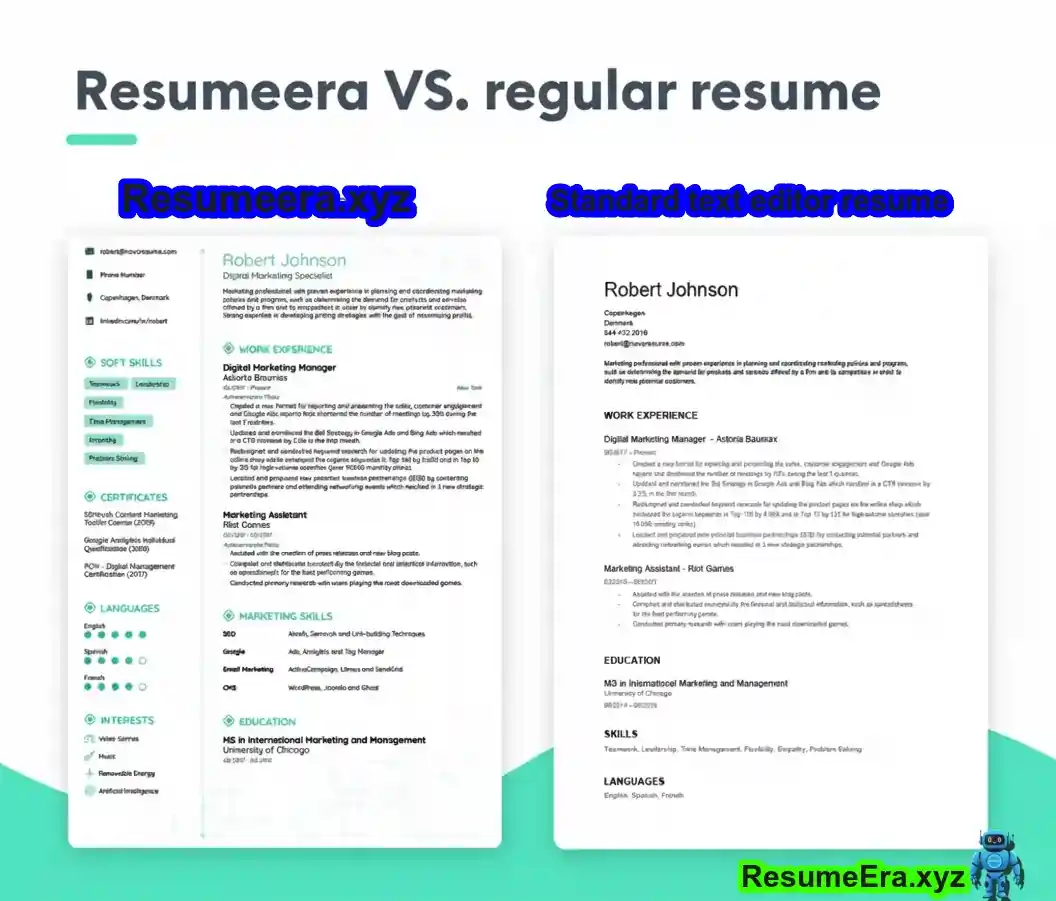 Create Your Resume – Create Your Future
Table of Contents
- Understanding Career Change
- Signs You Need a Career Change
- Career Change Planning: Building Your Foundation
- The Career Change Process
- Career Change Checklist
- Special Considerations for Indian Professionals
- Overcoming Common Challenges
- Key Takeaways
- Leveraging Technology
- When Should You Change Careers?
- Frequently Asked Questions
- Conclusion
Understanding Career Change: What It Really Means
A career change goes beyond simply switching employers—it involves transitioning to a completely different field, industry, or professional path. This might mean moving from finance to technology, shifting from corporate roles to entrepreneurship, or pivoting from one specialization to another within your broader field.
Career transitions require careful planning, skill development, and strategic execution. The process typically takes at least nine months to complete successfully, though timelines vary based on individual circumstances and target industries.
Types of Career Changes
Understanding which type of career change you're considering helps clarify your strategy:
-
Industry shift: Applying your existing skills in a different sector (e.g., moving from banking to fintech)
-
Role transition: Changing your job function within the same industry (e.g., from sales to marketing)
-
Hybrid career: Maintaining a full-time position while developing a side business for future transition
-
Complete pivot: Entering an entirely new field requiring new skills and qualifications
Signs You Need a Career Change
Recognizing when it's time for a change is crucial. Here are the key indicators that suggest you might benefit from a career transition:
-
Professional stagnation: Your current role no longer enables you to grow or learn new skills
-
Values misalignment: You no longer share your organization's mission or ethical standards
-
Chronic burnout: You experience persistent exhaustion that rest doesn't resolve
-
Monday dread: You consistently feel anxious or unhappy about starting the work week
-
Persistent curiosity: You find yourself constantly researching other career paths
-
"Good on paper" syndrome: Your job looks impressive but feels meaningless
-
Achievement hollowness: You've reached your goals but still feel unfulfilled
"That quiet discomfort? It's the first sign you're ready for a career change. Not because you've failed, but because you've outgrown where you are."
Career Change Planning: Building Your Foundation
Step 1: Self-Assessment and Skills Inventory
Before making any moves, conduct a thorough evaluation of your current position:
Identify your strengths:
-
List all technical skills you've developed throughout your career
-
Catalog soft skills like communication, leadership, and problem-solving
-
Seek feedback from colleagues, supervisors, and mentors for objective insights
-
Use online assessment tools or personality tests to identify areas for improvement
Assess your interests:
-
Determine what aspects of your current work bring you joy
-
Identify what you'd like to change in your next role
-
Explore growth areas in emerging fields like IT, business development, or creative industries
Evaluate transferable skills: These are abilities you've developed that apply across industries. With 75% of recruiters focusing on skill-first hiring, understanding your transferable skills is essential for career changers.
| Skill Category | Examples | Industries Where Valuable |
|---|---|---|
| Communication | Public speaking, written communication, presentation skills | Marketing, HR, Sales, Teaching |
| Leadership | Team management, project coordination, delegation | Management, Operations, Consulting |
| Analytical Thinking | Data analysis, problem-solving, research | Finance, Technology, Research |
| Adaptability | Learning new systems, handling change, flexibility | All industries, especially startups |
| Technical Skills | Software proficiency, coding, design tools | Tech, Design, Engineering |
Step 2: Research Target Industries and Roles
Understanding your destination is as important as knowing your starting point:
-
Study job market trends: India's job market in 2026 shows strong growth in AI, data roles, cybersecurity, healthcare, and fintech
-
Analyze job descriptions: Research positions in your target field to understand required qualifications
-
Identify skill gaps: Compare your current abilities against employer requirements
-
Evaluate market demand: Ensure sufficient opportunities exist in your chosen field
-
Consider future-proof careers: Focus on roles with strong growth potential through 2026 and beyond
Learn more about high-demand opportunities in our guide to 21 High-Paying In-Demand Jobs for the Future Worth Pursuing.
Step 3: Create a Clear Career Roadmap
A structured approach keeps you focused and motivated throughout your transition:
Set SMART goals:
-
Specific: Define exactly what role or industry you're targeting
-
Measurable: Establish milestones like completing certifications or networking with 20 professionals
-
Achievable: Ensure goals are realistic given your circumstances
-
Relevant: Align objectives with your long-term career vision
-
Time-bound: Set deadlines for each phase of your transition
Develop a timeline: Plan for at least nine months from decision to transition, including time for skill development, networking, and job searching.
The Career Change Process: Step-by-Step Guide
Step 4: Bridge Your Skill Gaps
Success in career transition depends largely on acquiring necessary competencies:
Upskilling strategies:
-
Enroll in online courses through platforms offering relevant certifications
-
Attend workshops and webinars in your target industry
-
Pursue formal education if required (degrees, diplomas, professional certifications)
-
Practice new skills through personal projects or volunteer work
-
Join professional communities to learn from experienced practitioners
India's professionals are increasingly focused on skill development, with a 140% increase in the pace at which LinkedIn members add new skills to their profiles since 2022. In fact, 39% of professionals plan to learn new skills this year to open up opportunities.
Discover tools that can help you identify suitable career paths in our article about 10 Best Free Career Aptitude Tests in 2026.
Step 5: Build Your Network Strategically
Networking accelerates career changes significantly:
-
Attend industry webinars and conferences
-
Join professional groups on LinkedIn and other platforms
-
Reach out for informational interviews with people in your target field
-
Connect with mentors who can provide guidance and introductions
-
Participate in online communities related to your desired industry
Networking in tier-2 cities: With Global Capability Centers expanding into cities like Coimbatore, Jaipur, Indore, and Kochi, networking opportunities now exist beyond major metros.
Step 6: Gain Practical Experience
Real-world experience in your target field strengthens your candidacy dramatically:
-
Internships: Consider taking on internship roles, even at reduced compensation
-
Volunteer work: Offer your skills to nonprofits or community organizations
-
Freelance projects: Build a portfolio through independent consulting or project work
-
Side hustles: Develop expertise while maintaining income security through your current job
-
Job shadowing: Spend time observing professionals in your target role
Step 7: Revamp Your Application Materials
Your resume and cover letter must effectively communicate your transferable skills:
Resume optimization:
-
Highlight transferable skills prominently in your summary
-
Reframe previous experience to align with target industry language
-
Quantify achievements to demonstrate measurable impact
-
Minimize irrelevant work experience
-
Optimize for Applicant Tracking Systems (ATS) using relevant keywords
For example, instead of writing "Managed seasonal retail staff," reframe it as "Led cross-functional teams to execute time-sensitive projects" when targeting project management roles.
ResumeEra.xyz offers powerful tools to create ATS-optimized resumes tailored to your target industry. Learn more in our guides:
-
ATS-Friendly Resume Format for Beginners: Complete SEO Guide
-
11 ATS Formatting Mistakes to Avoid
Cover letter strategy:
-
Address why you're making the transition
-
Connect your background to the target role's requirements
-
Demonstrate enthusiasm and commitment to the new field
-
Explain how your unique perspective adds value
Check out our comprehensive guide on How to Write a Cover Letter That Gets You Hired in 2026.
Step 8: Execute Your Job Search Strategy
Targeted job searching:
-
Use job portals effectively by customizing searches based on your new career focus
-
Apply to positions even if you don't meet 100% of requirements
-
Follow up strategically on applications
-
Track applications systematically to manage your pipeline
Addressing common challenges: Nearly half (49%) of professionals say they're applying to more jobs than ever but hearing back less from potential employers. To stand out:
-
Tailor each application to the specific role
-
Leverage your network for referrals
-
Apply early to new job postings
-
Follow up appropriately with hiring managers
Step 9: Prepare for Interviews
Interview preparation is critical when changing careers:
-
Practice answers to behavioral questions
-
Prepare compelling stories about your transferable skills
-
Develop clear explanations for your career change
-
Research the company thoroughly
-
Anticipate concerns about your non-traditional background
-
Practice with mock interviews
Master interview techniques with our guide: 16 Proven Tips to Ace Your Job Interview and Land Your Dream Role in 2025.
Step 10: Negotiate Effectively
Don't undervalue yourself during a career transition:
-
Research salary ranges for your target role and experience level
-
Emphasize the unique value your diverse background brings
-
Consider total compensation, not just base salary
-
Be prepared to negotiate beyond salary (flexible work, professional development, benefits)
-
Know your minimum acceptable offer before negotiations begin
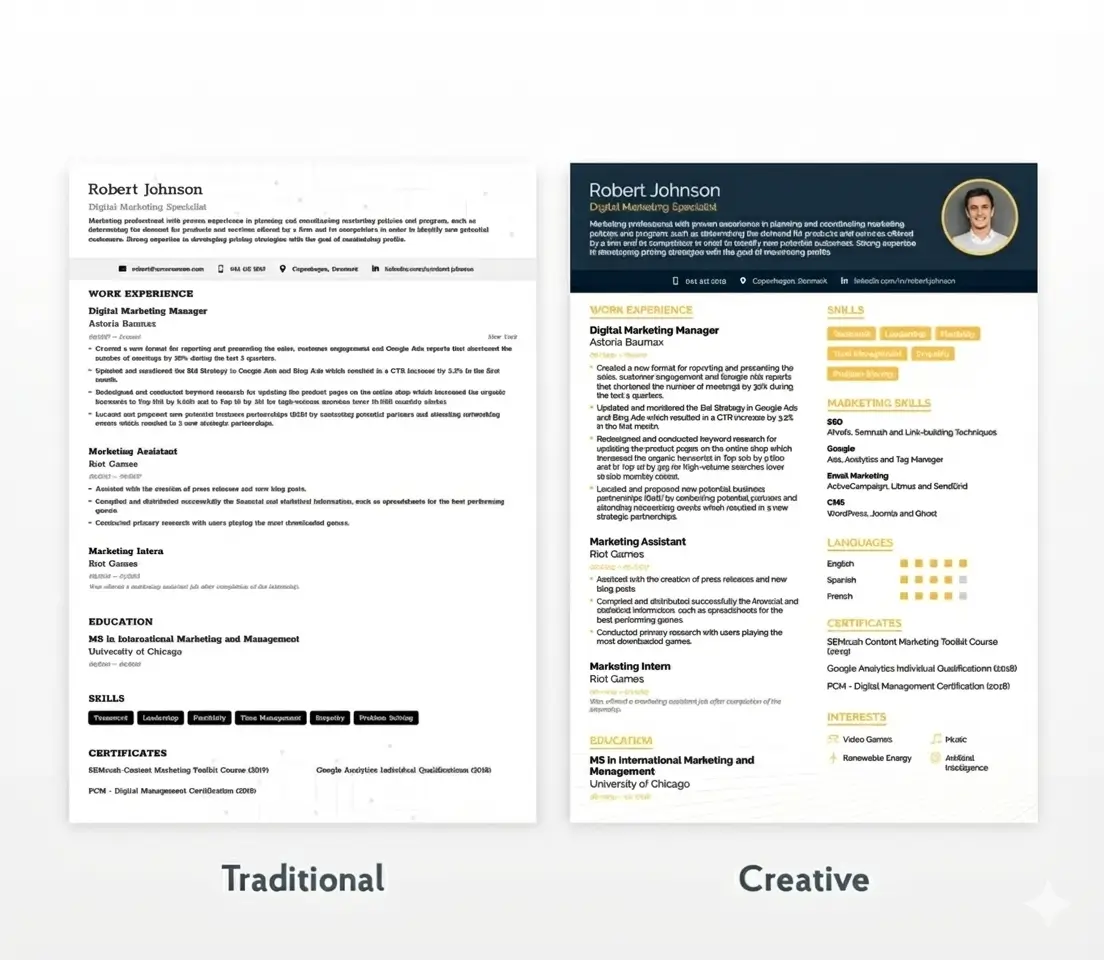 Create Your Resume – Create Your Future
Career Change Checklist: Your Complete Action Plan
Use this comprehensive career change checklist to track your progress:
Phase 1: Preparation (Months 1-3)
-
☐ Complete self-assessment and identify core values
-
☐ List all transferable skills
-
☐ Research target industries and roles
-
☐ Identify 3-5 specific positions of interest
-
☐ Assess financial readiness for transition
-
☐ Create initial career roadmap with timeline
Phase 2: Skill Development (Months 3-6)
-
☐ Identify critical skill gaps
-
☐ Enroll in relevant courses or certification programs
-
☐ Complete at least two projects showcasing new skills
-
☐ Attend industry events and webinars
-
☐ Begin building professional network in target field
-
☐ Seek informational interviews with 5-10 professionals
Phase 3: Application Preparation (Months 5-7)
-
☐ Update resume highlighting transferable skills
-
☐ Create targeted cover letter template
-
☐ Optimize LinkedIn profile for target industry
-
☐ Build portfolio or personal website if relevant
-
☐ Gather references from diverse professional contexts
-
☐ Practice elevator pitch explaining career change
Phase 4: Active Job Search (Months 7-9+)
-
☐ Apply to 10-15 positions weekly
-
☐ Follow up on applications strategically
-
☐ Continue networking and attending industry events
-
☐ Prepare for interviews with industry-specific questions
-
☐ Track all applications and follow-ups
-
☐ Evaluate offers against career goals
Special Considerations for Indian Professionals
Mid-Career Transitions
Mid-career professionals (4-10 years of experience) are currently in the sweet spot in India's job market. This demographic enjoys:
-
Increased bargaining power
-
Higher demand from employers
-
Better compensation packages
-
More opportunities for leadership roles
If you're considering a career change after 25 or in your 30s and 40s, you're in an advantageous position. Your accumulated experience provides valuable context and maturity that employers highly value.
Emerging Opportunities in India
India's job market in 2026 offers particularly strong growth in:
-
Artificial Intelligence and Machine Learning: AI-powered roles across industries
-
Cybersecurity: Protecting digital infrastructure and data
-
Cloud and DevOps: Managing cloud infrastructure and continuous deployment
-
Healthcare and HealthTech: Digital health solutions and telemedicine
-
Fintech: Financial technology and digital payment systems
-
Renewable Energy: Sustainable energy solutions
-
Product and UX Design: User experience and product management
Regional Opportunities
Don't limit your search to metro cities. Tier-2 cities are becoming career hubs as Global Capability Centers expand operations to:
-
Coimbatore
-
Jaipur
-
Indore
-
Kochi
-
Bhubaneswar
-
Chandigarh
These locations offer high-quality jobs in AI, product engineering, and analytics with lower living costs and better quality of life.
Overcoming Common Career Change Challenges
Financial Concerns
Career transitions often involve financial uncertainty:
-
Build an emergency fund covering 6-12 months of expenses before transitioning
-
Consider part-time or freelance work to maintain income during transition
-
Research if a temporary salary reduction is realistic for your situation
-
Evaluate total compensation packages, not just base salary
-
Explore whether your target field offers growth potential justifying initial sacrifices
Imposter Syndrome
Feeling like a fraud is common when entering new fields:
-
Remember that everyone starts somewhere
-
Focus on your transferable skills and unique perspective
-
Celebrate small wins throughout your transition
-
Seek support from mentors who've made similar changes
-
Document your progress to visualize growth
Age-Related Concerns
Age can feel like a barrier but is actually an asset:
-
Your maturity and professional experience are valuable
-
Life experience provides perspective younger candidates lack
-
You likely have stronger professional networks
-
Your track record demonstrates commitment and reliability
-
Many employers specifically seek career changers for fresh perspectives
For those returning to work after a break, read our guide: 8 Steps to Write the Perfect Return to Workforce Resume.
Skill Gaps
Don't let missing qualifications stop you:
-
60% of professionals in India are open to roles in new industries
-
Employers increasingly prioritize skills over formal credentials
-
Online learning makes skill acquisition more accessible than ever
-
Many skills can be self-taught through practice and projects
-
Bootcamps and certificate programs provide intensive training
Key Takeaways: Career Change Success Principles
Remember: Your past experience is not wasted—it's your foundation for future success.
Essential principles for successful career transitions:
-
Start with thorough self-assessment: Understanding your skills, values, and goals is foundational
-
Research extensively: Knowledge of your target field prevents costly missteps
-
Develop transferable skills: These abilities are your bridge between careers
-
Network strategically: Relationships accelerate transitions more than applications alone
-
Gain practical experience: Hands-on work proves your commitment and capability
-
Tell a coherent story: Connect your past to your future in compelling ways
-
Stay patient and persistent: Career changes take time but pay dividends
-
Leverage technology: AI tools and online platforms facilitate modern career transitions
Explore how technology can support your career change: 15 Best AI Tools for Job Seekers in 2025.
Leveraging Technology for Career Transitions
AI-Powered Career Tools
Modern career changers have unprecedented access to technology:
-
AI-driven recruitment: Platforms now use AI for screening, matching, and scheduling
-
Resume optimization tools: Services like ResumeEra.xyz help create ATS-friendly resumes
-
Skill assessment platforms: Online tests identify strengths and gaps
-
Learning management systems: Structured paths for acquiring new skills
-
Career coaching apps: Guidance available on-demand
Learn whether AI is right for your resume creation: Should You Use AI to Write Your Resume? Complete Guide for 2026.
You can also leverage ChatGPT for resume review: 6 Ways to Use ChatGPT to Review Your Resume with Prompts.
Building Your Personal Brand
Establishing an online presence supports career transitions:
-
Optimize your LinkedIn profile with target industry keywords
-
Share content related to your desired field
-
Engage with thought leaders in your target industry
-
Create a personal website or portfolio showcasing relevant work
-
Publish articles demonstrating expertise in your new domain
When Should You Change Careers?
Timing matters significantly in career transitions:
Consider these factors:
-
Financial stability: Do you have adequate savings or alternative income?
-
Personal circumstances: Are major life events (marriage, children, relocation) imminent?
-
Market conditions: Is your target industry currently hiring?
-
Skill readiness: Have you acquired necessary competencies for your target role?
-
Emotional preparedness: Are you mentally ready for the challenges ahead?
-
Support system: Do you have family and friends supporting your decision?
Ideal timing indicators:
-
You've completed significant skill development
-
Your network in the target field is established
-
You've saved adequate emergency funds
-
Market demand in your target field is strong
-
You feel confident in your decision and prepared for challenges
Conclusion
Changing careers is a significant but increasingly common decision among Indian professionals in 2026. With proper planning, strategic skill development, and persistent effort, a successful career transition is entirely achievable regardless of your current situation or experience level.
The key to how to change careers successfully lies in approaching the process systematically: conducting thorough self-assessment, researching target industries extensively, bridging skill gaps strategically, building meaningful professional networks, and presenting your transferable skills compellingly to potential employers.
Remember that your previous experience isn't wasted—it's the foundation upon which you'll build your new career. The diverse perspective you bring from your background can be a significant competitive advantage in your new field.
ResumeEra.xyz provides comprehensive tools and resources to support your career transition journey, from creating ATS-optimized resumes that highlight your transferable skills to accessing guides on interviewing, networking, and job searching strategies. Whether you're making an industry shift, role transition, or complete career pivot, the right preparation and resources make all the difference.
Your career change journey begins with a single step. Start today by assessing your skills, researching potential paths, and creating your personalized career transition roadmap. With determination, strategic planning, and the right support, you can successfully navigate this exciting new chapter in your professional life.
Take the first step toward your new career by creating a compelling resume at ResumeEra.xyz and exploring our comprehensive career resources designed specifically for Indian professionals navigating career transitions in 2026.
For additional resources to support your career journey:
-
ResumeEra.xyz Review 2026: Complete Free Resume Builder Analysis & Alternatives
-
Is a Degree Necessary for a High-Paying Job? Complete Guide for 2026
-
10 Essential Resume Sections in 2026