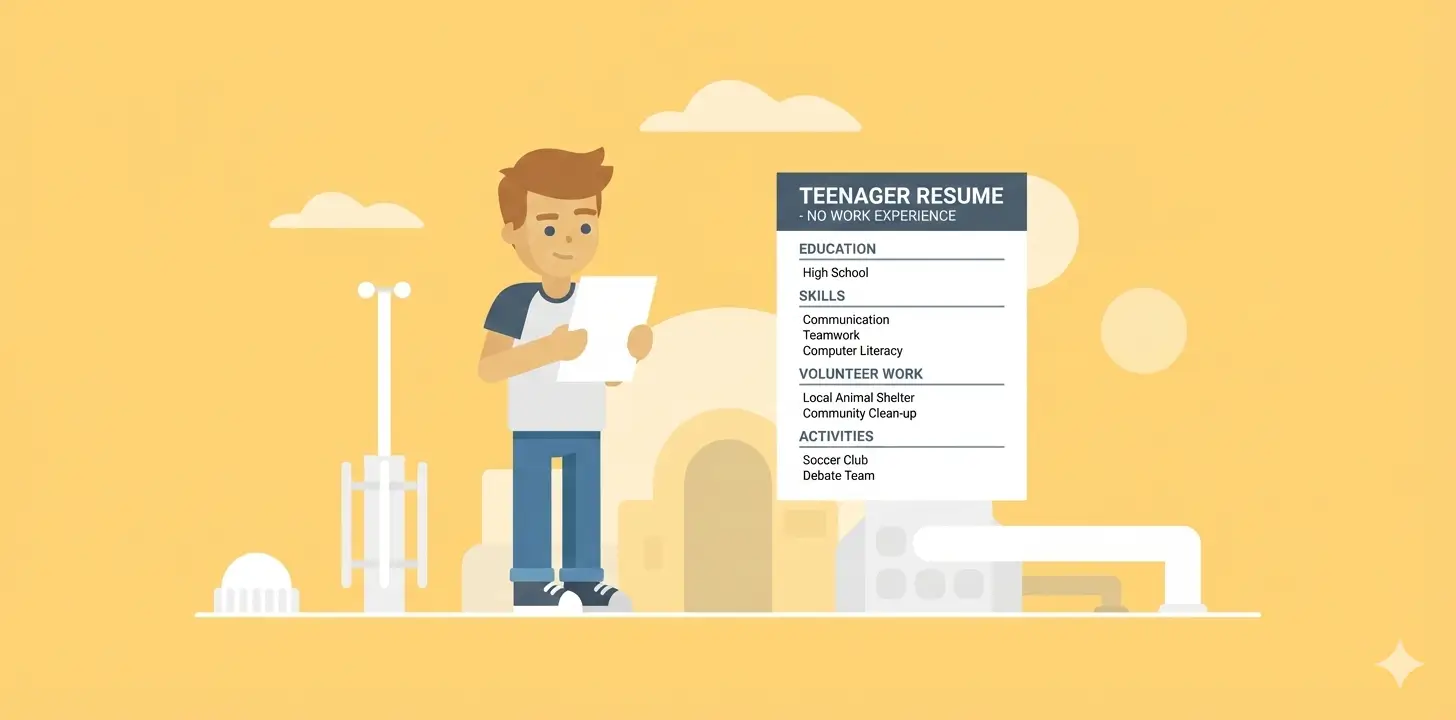
Crafting a Standout Resume for Teens with No Work Experience
Crafting a standout resume for teens with no work experience can feel challenging, but it’s an opportunity to showcase your unique skills and potential.
? Table of Contents
1. Introduction: Why Teens Need a Resume
2. Understanding the Importance of a Resume
3. Key Components of a Teen Resume
3.1 Contact Information
3.2 Objective Statement
3.3 Education Section
3.4 Skills Section
4. How to Highlight Skills Without Work Experience
5. Creative Ways to Showcase Volunteer Work and Extracurricular Activities
6. The Role of Education in Your Resume
7. Crafting a Compelling Objective Statement (With Examples)
8. Formatting Tips for a Professional Look
9. Common Mistakes to Avoid in a Teen Resume
10. ✅ Do's and ❌ Don'ts: Quick Reference Table
11. Tailoring Your Resume for Different Opportunities
12. Final Tips for a Successful Job Application
13. ? Frequently Asked Questions (FAQs)
14. ? Ready to Build Your Resume?
Understanding the Importance of a Resume
Crafting a standout resume for teens with no work experience can feel challenging, but it’s an opportunity to showcase your unique skills and potential. Even without formal work experience, a well-crafted resume serves as a powerful tool to convey your capabilities, interests, and suitability for the roles you seek. A resume is essentially your personal marketing document; it’s your chance to make a strong first impression on potential employers or admissions officers.
For teens, a resume is particularly crucial because it demonstrates a proactive approach to job-seeking and career planning. It highlights your readiness to enter the workforce and your dedication to finding opportunities that align with your career goals. In a competitive job market, the ability to present a polished and professional resume can set you apart from other candidates who may have similar backgrounds.
Moreover, developing a resume at a young age helps you understand and articulate your skills and achievements, which is an invaluable exercise in self-awareness and confidence-building. This process not only prepares you for job applications but also for future academic and career endeavors. By starting early, you can continuously update and refine your resume, ensuring it evolves alongside your growing experience and accomplishments.
Key Components of a Teen Resume
Creating an effective resume involves including several key components that collectively present a comprehensive picture of who you are. These components include your contact information, objective statement, education, skills, volunteer work, extracurricular activities, and any relevant coursework or certifications. Each section should be thoughtfully crafted to highlight your strengths and potential.
Your professional contact information is straightforward but essential. It should include your full name, phone number, email address, and optionally, your LinkedIn profile or personal website if you have one. Ensure that your email address is professional; avoid using casual or inappropriate email addresses that might give a negative impression.
The objective statement is a brief but impactful section where you outline your career goals and what you hope to achieve by securing the position you’re applying for. This statement should be tailored to each job application, reflecting your enthusiasm and suitability for the role. It sets the tone for the rest of your resume and gives employers a quick snapshot of your aspirations and motivations.
How to Highlight Skills Without Work Experience
One of the biggest challenges teens face when writing a resume is how to highlight their key skills without having formal work experience. The key is to focus on transferable skills and personal attributes that are relevant to the job you’re applying for. Transferable skills are abilities you’ve developed in various contexts that can be applied to different roles. These include communication, teamwork, problem-solving, time management, showcase your achievements and leadership skills.
Think about situations where you’ve demonstrated these skills, such as in school projects, group activities, or personal hobbies. For example, if you’ve participated in a debate club, you can highlight your public speaking and critical thinking skills. If you’ve managed a school event, you can showcase your organizational and leadership abilities. Be specific about your contributions and the outcomes of your efforts to make a stronger impact.
Another way to emphasize your skills is by providing concrete examples. Instead of simply stating that you have good time management skills, explain how you balanced a rigorous academic schedule with extracurricular activities. Highlight any awards, recognitions, or positive feedback you’ve received that attest to your skills and achievements. This approach helps potential employers see the value you can bring to their organization despite your lack of formal work experience.
Creative Ways to Showcase Volunteer Work and Extracurricular Activities
Volunteer work and extracurricular activities are excellent ways to demonstrate your skills, interests, and commitment. These experiences can be just as valuable as formal work experience, as they often require similar responsibilities and challenges. Highlighting your involvement in these activities can show potential employers that you are proactive, community-minded, and capable of handling various tasks.
When listing volunteer work, provide details about the organization, your role, and the specific tasks you performed. For example, if you volunteered at a local animal shelter, mention the duties you were responsible for, such as feeding animals, cleaning cages, or assisting with adoption events. Describe any initiatives you led or improvements you made, as these demonstrate leadership and problem-solving skills.
Extracurricular activities, such as being part of a sports team, student council, or club, also offer valuable experiences that can be highlighted on your resume. Detail your roles, responsibilities, and any achievements or awards you received. For instance, if you were the captain of a sports team, discuss how you motivated your teammates, organized practices, and led the team to victory. These examples show your teamwork, leadership, and dedication, which are highly desirable traits in any job candidate.
The Role of Education in Your Resume
For teens with no work experience, education is often one of the most significant sections of the resume. It provides a foundation for showcasing your knowledge, skills, and academic achievements. When listing your education, include the name of your school, the years you attended, and any relevant coursework or honors.
Highlighting relevant coursework can be particularly useful if it aligns with the job you’re applying for. For example, if you’re applying for a position at a technology company, mentioning advanced computer science classes or any programming projects you’ve completed can demonstrate your technical skills and interest in the field. Similarly, if you’re applying for a role in a creative industry, courses in art, design, or media can be highlighted to show your relevant skills and knowledge.
In addition to coursework, include any academic awards, honors, or scholarships you’ve received. These accolades can set you apart from other candidates by showcasing your dedication and excellence in your studies. Participation in academic clubs or societies, such as the National Honor Society, can also be included to demonstrate your commitment to academic success and involvement in your school community.
Crafting a Compelling Objective Statement
The compelling objective statement is a crucial part of your resume, as it is often the first section potential employers will read. A compelling objective statement should be concise, specific, and tailored to the job you’re applying for. It should clearly communicate your career goals, what you hope to achieve in the position, and how you can contribute to the organization.
When crafting your objective statement, avoid generic phrases that could apply to any job. Instead, focus on what makes you a unique and suitable candidate for the specific role. For example, instead of saying, “I am seeking a part-time job to gain experience,” you could say, “I am a motivated high school student with strong organizational and communication skills, seeking a part-time position at XYZ Company to contribute to customer service excellence and gain valuable retail experience.”
Tailoring your objective statement to each job application shows that you’ve done your research and are genuinely interested in the position. It demonstrates your commitment and enthusiasm, which can make a positive impression on potential employers. Keep your objective statement brief, ideally one to two sentences, and ensure it aligns with the rest of your resume.
Objective Example:
"Motivated high school student with strong communication and organizational skills, seeking a part-time position at XYZ Company to gain hands-on experience in customer service and contribute to a positive customer experience. Eager to apply my leadership abilities and passion for helping others in a dynamic team environment."
This objective is clear, specific, and tailored to the job, showing enthusiasm while focusing on the skills the teen can bring to the role.
Formatting Tips for a Professional Look
A well-formatted resume not only looks professional but also makes it easier for potential employers to read and understand your qualifications. Here are some tips to ensure your resume has a polished and professional appearance.
First, choose a clean and simple layout. Avoid using overly complex designs or fonts that can be distracting. Stick to a standard font like Arial, Times New Roman, or Calibri, and use a font size between 10 and 12 points. Ensure there is enough white space to make your resume easy to read, and use bullet points to list your skills, experiences, and achievements clearly.
Consistency is key in formatting. Use the same font, spacing, and style throughout your resume. For example, if you use bold for section headings, ensure all section headings are bold. If you choose to list dates in a particular format (e.g., MM/YYYY), use that format consistently. Consistency in formatting helps create a cohesive and professional-looking document.
Finally, proofread your resume carefully to eliminate any spelling or grammatical errors. Even minor mistakes can give a negative impression and suggest a lack of attention to detail. Consider asking a teacher, mentor, or friend to review your resume and provide feedback. A second pair of eyes can often catch errors you might have missed and offer valuable suggestions for improvement.
Common Mistakes to Avoid in a Teen Resume
While crafting your resume, it’s essential to avoid common mistakes that could detract from its effectiveness. One common mistake is including irrelevant information. Stick to details that are pertinent to the job you’re applying for. For example, while it’s great that you won a pie-eating contest, this information is unlikely to impress potential employers unless you’re applying for a role in a bakery!
Another mistake is being too modest or too boastful. While it’s important to highlight your achievements, avoid exaggerating or lying about your experiences. Employers often verify the information on resumes, and dishonesty can lead to immediate disqualification. On the other hand, don’t downplay your accomplishments or be overly modest. Present your skills and experiences confidently and accurately.
Finally, avoid using a one-size-fits-all approach. Tailoring your resume to each job application is crucial. This means customizing your objective statement, highlighting the most relevant skills and experiences, and even tweaking the wording to align with the job description. A generic resume can come across as lazy or unenthusiastic, whereas a tailored resume shows that you’ve put in the effort and are genuinely interested in the position.
Teen Resume Do's and Don'ts Table
| ✅ DO's | ❌ DON'Ts |
|---|---|
| Use a clean, simple layout with standard fonts (Arial, Calibri, Times New Roman) | Don't use fancy fonts or overly colorful designs that look unprofessional |
| Highlight transferable skills from school, clubs, sports, and volunteer work | Don't include irrelevant information like hobbies unrelated to the job |
| Include volunteer experience and extracurricular activities prominently | Don't leave out achievements - even small ones matter! |
| Tailor your resume to each specific job application | Don't use a generic, one-size-fits-all resume |
| Use action verbs (organized, led, created, managed, coordinated) | Don't use passive language or vague statements |
| Keep it to ONE page - concise and focused | Don't exceed one page - employers won't read lengthy teen resumes |
| Include a strong objective statement specific to the position | Don't write a generic objective like "seeking a challenging position" |
| List relevant coursework if it relates to the job | Don't include your photo unless specifically requested |
| Proofread multiple times for spelling and grammar errors | Don't submit without checking - errors look careless |
| Use bullet points for easy scanning and readability | Don't write long paragraphs that are hard to read |
| Quantify achievements with numbers (raised $500, led team of 10) | Don't be too modest - showcase your accomplishments confidently |
| Use a professional email address (firstname.lastname@email.com) | Don't use unprofessional emails like partygirl123@email.com |
| Include your GPA if it's 3.5 or higher | Don't include low grades or mention academic struggles |
| Format consistently throughout (same fonts, spacing, style) | Don't mix different formatting styles - it looks messy |
| Save as PDF when submitting to preserve formatting | Don't send as .docx unless specifically asked |
| Follow application instructions carefully | Don't ignore requirements like file naming or submission method |
Tailoring Your Resume for Different Opportunities
Tailoring your resume for different opportunities is a critical step in the job application process. Each job or opportunity you apply for may require different skills, experiences, and qualifications. Customizing your resume ensures that you present the most relevant information for each specific role, increasing your chances of standing out to potential employers.
Start by carefully reading the job description and noting the key skills and qualifications the employer is seeking. Then, adjust your resume to highlight the experiences and skills that match those requirements. For example, if a job listing emphasizes customer service skills, make sure to highlight any experiences where you’ve demonstrated excellent customer service, even if it was in a volunteer or extracurricular context.
In addition to tailoring the content of your resume, consider adjusting the order of sections based on what is most relevant to the job. For instance, if your education is particularly relevant to the position, place the education section near the top of your resume. If your volunteer work or extracurricular activities are more pertinent, prioritize those sections instead. This strategic ordering helps ensure that the most important information is seen first.
Final Tips for a Successful Job Application
In addition to crafting a standout resume, there are several other steps you can take to ensure a successful job application. One important tip is to include a well-written cover letter with your resume. A cover letter allows you to provide more context about your experiences, explain why you’re interested in the position, and demonstrate your enthusiasm for the role.
When submitting your application, follow the employer’s instructions carefully. This might include submitting your resume and cover letter via email, an online application system, or in person. Ensure that you’ve included all the requested documents and information, and double-check for any specific instructions such as file naming conventions or required formats.
Finally, prepare for potential interviews by practicing common interview questions and thinking about how you can articulate your skills and experiences. Research the company and the role so you can ask informed questions and show your genuine interest. Remember to dress professionally, arrive on time, and be polite and respectful to everyone you interact with. A positive attitude and good manners can leave a lasting impression and increase your chances of landing the job.
Ready to Build Your Resume?
Now that you understand how to create a standout teen resume with no work experience, it's time to put these tips into action! Visit ResumeEra.xyz to access our FREE Resume Builder designed specifically for students and first-time job seekers. Choose from professional templates, customize your content, and download your resume instantly.
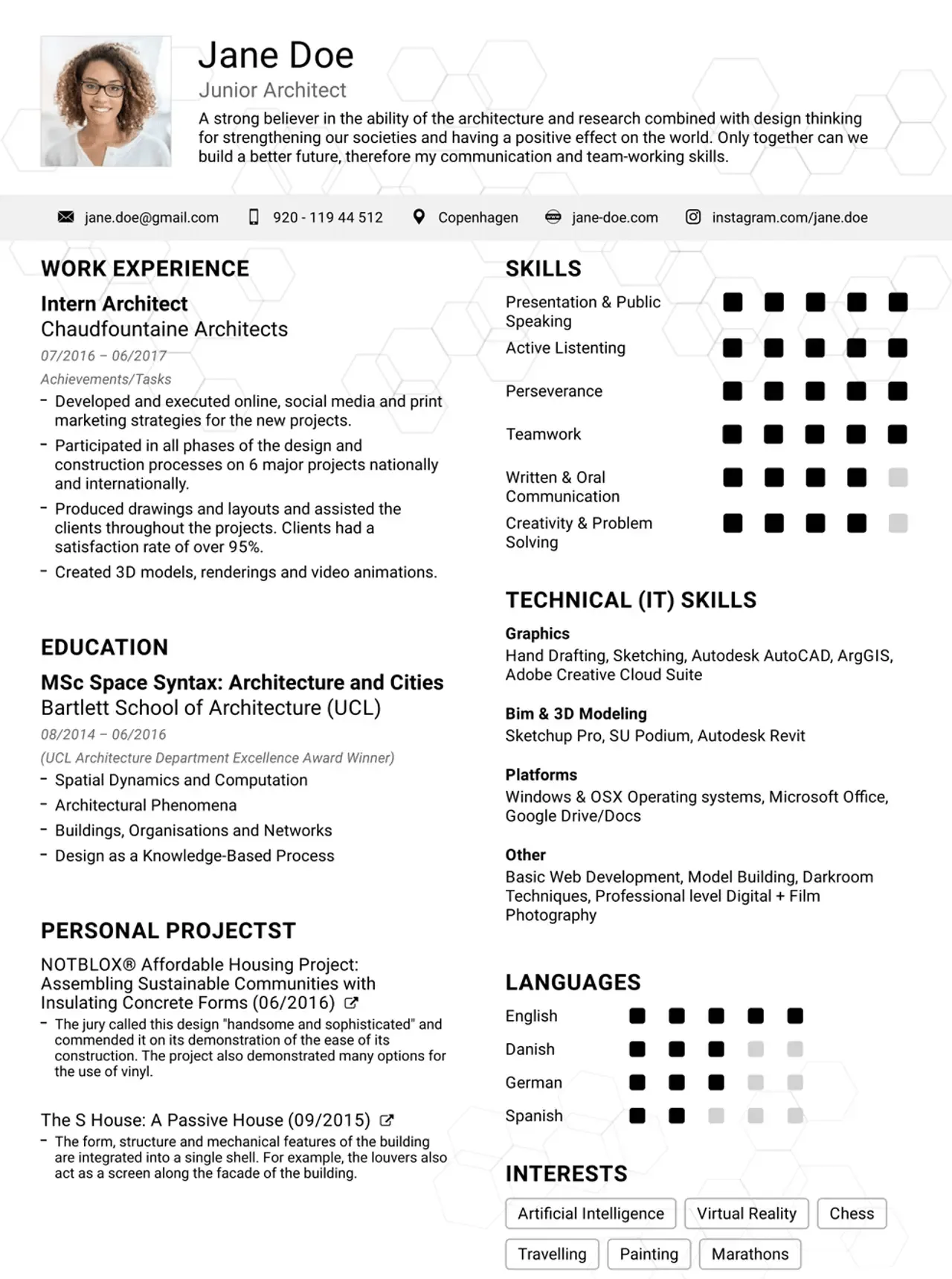
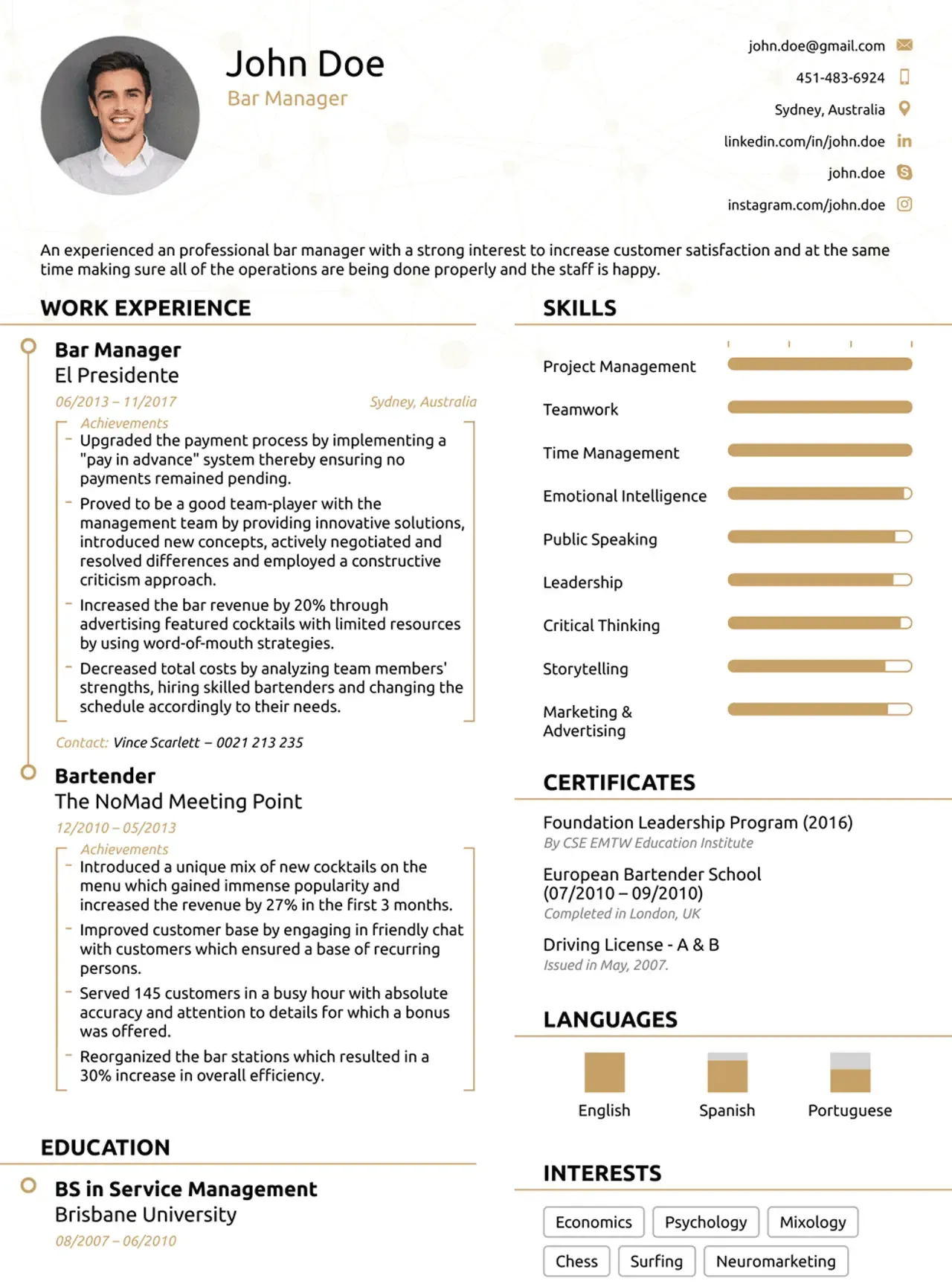
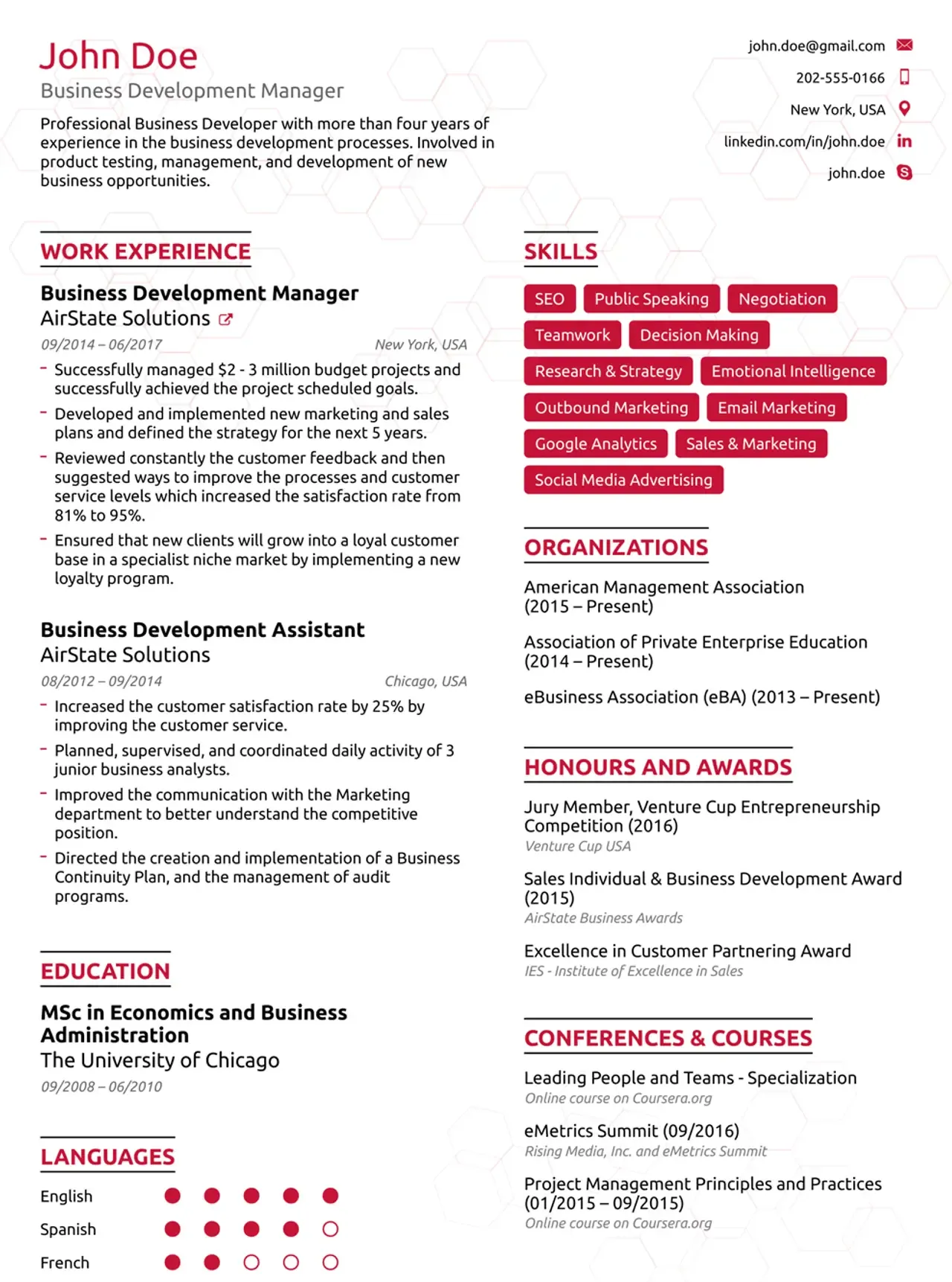
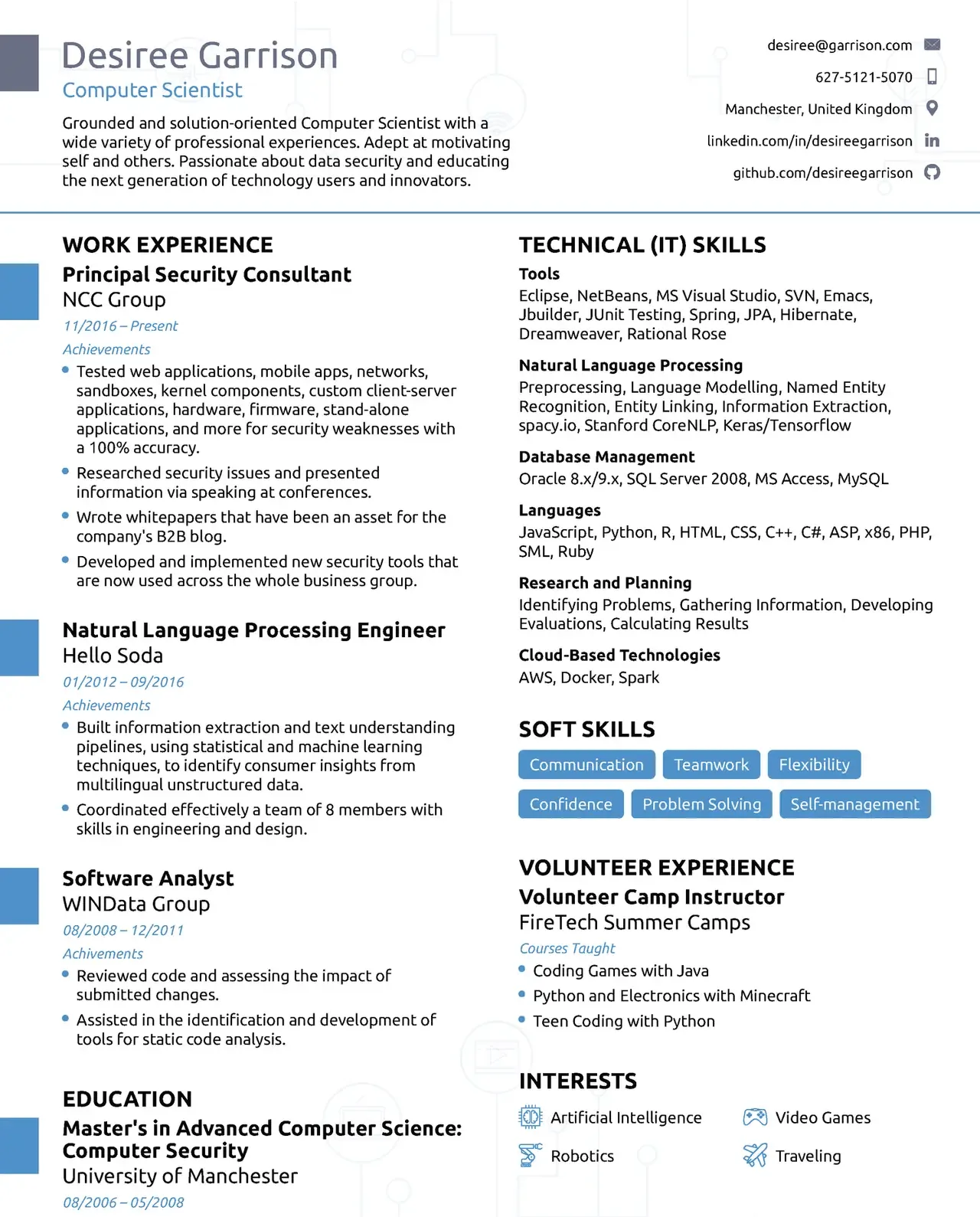
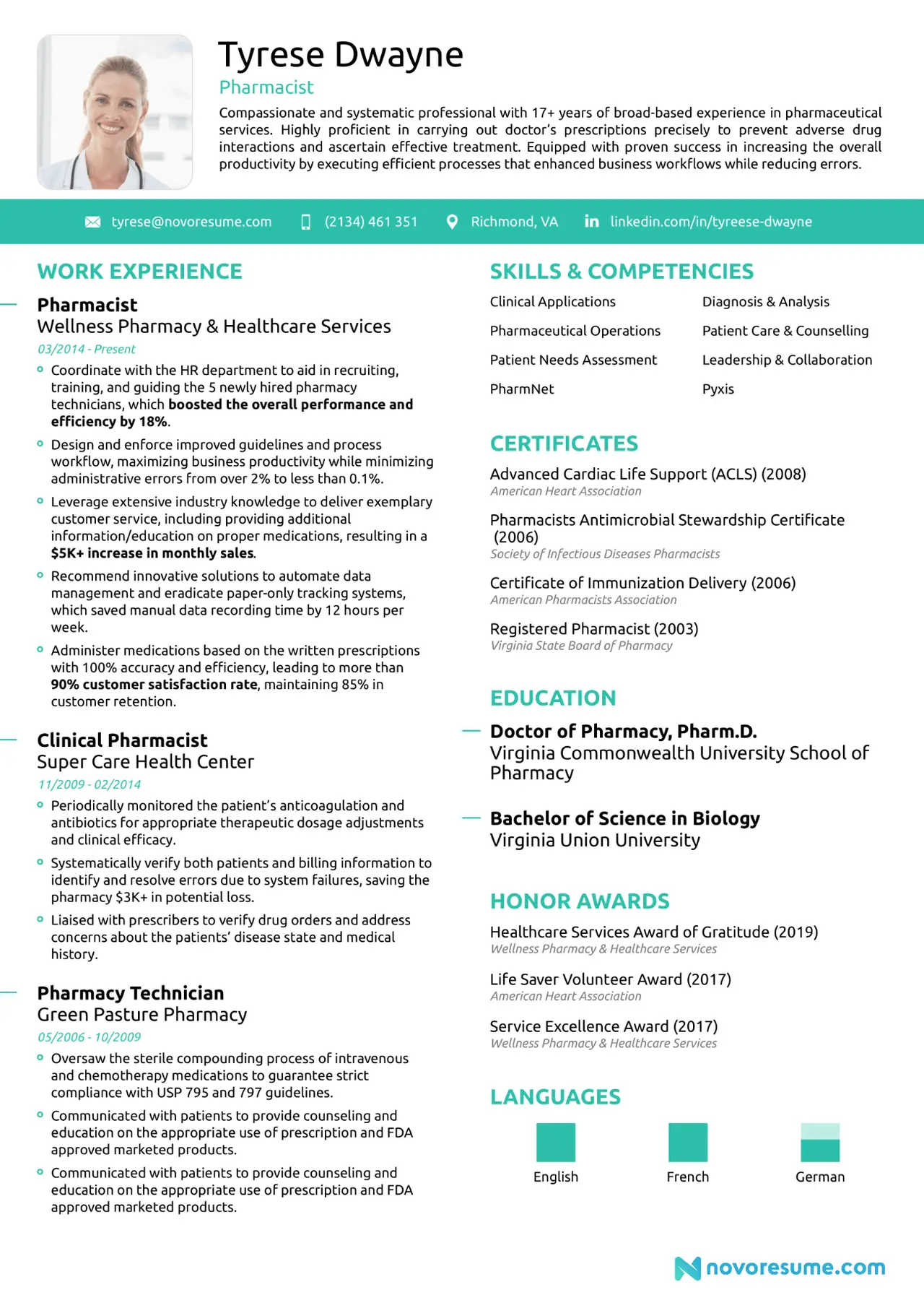
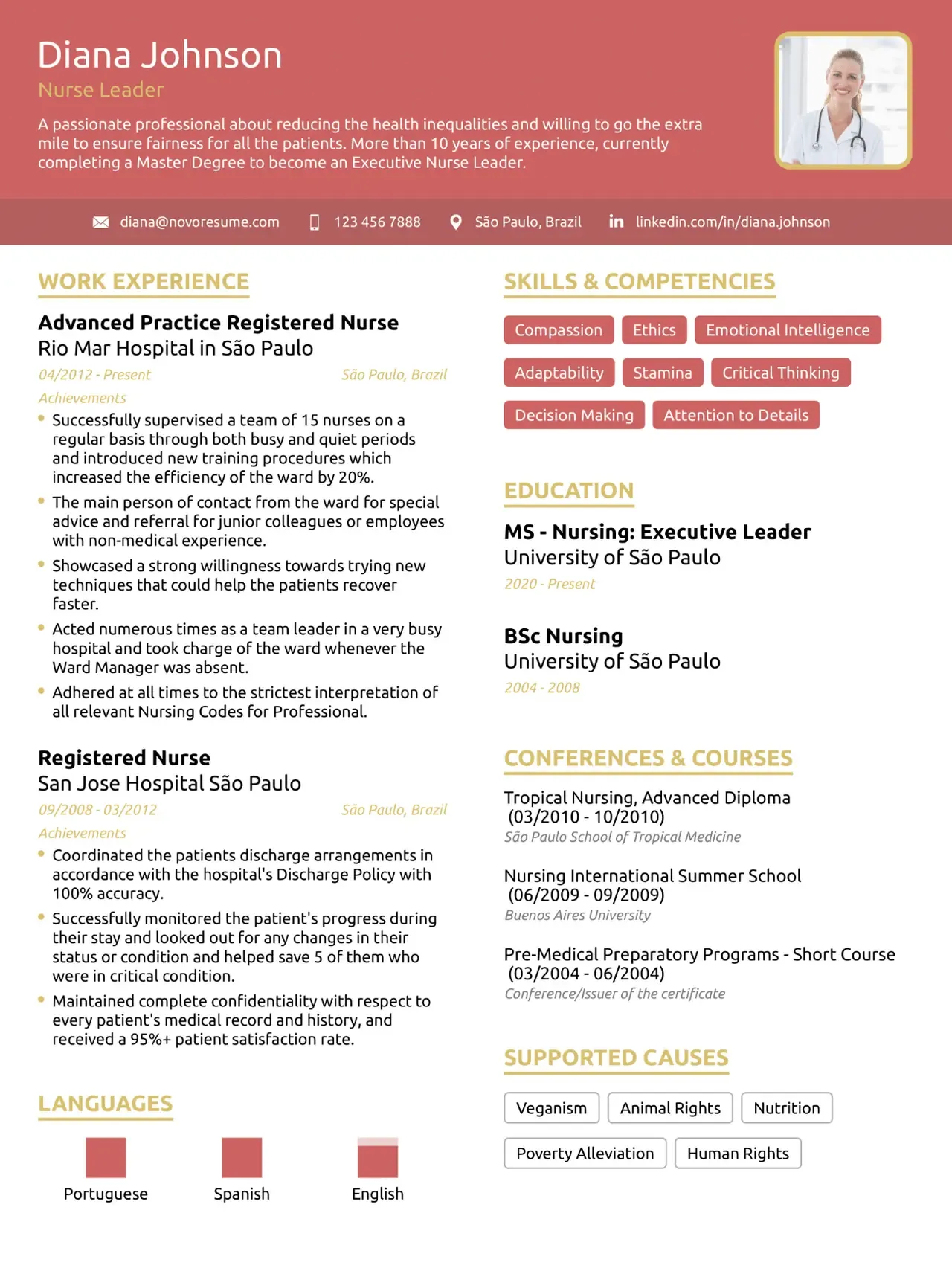
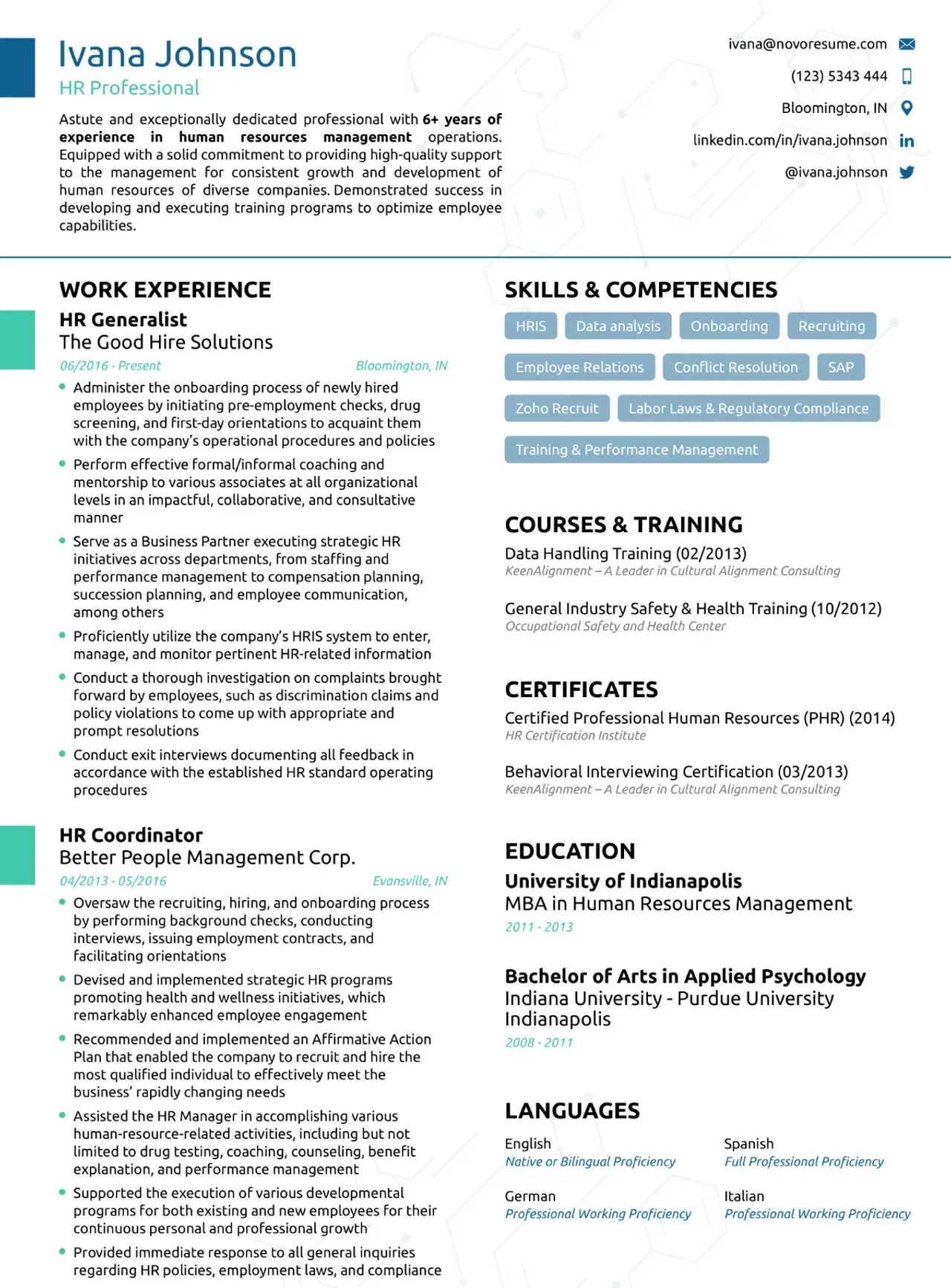
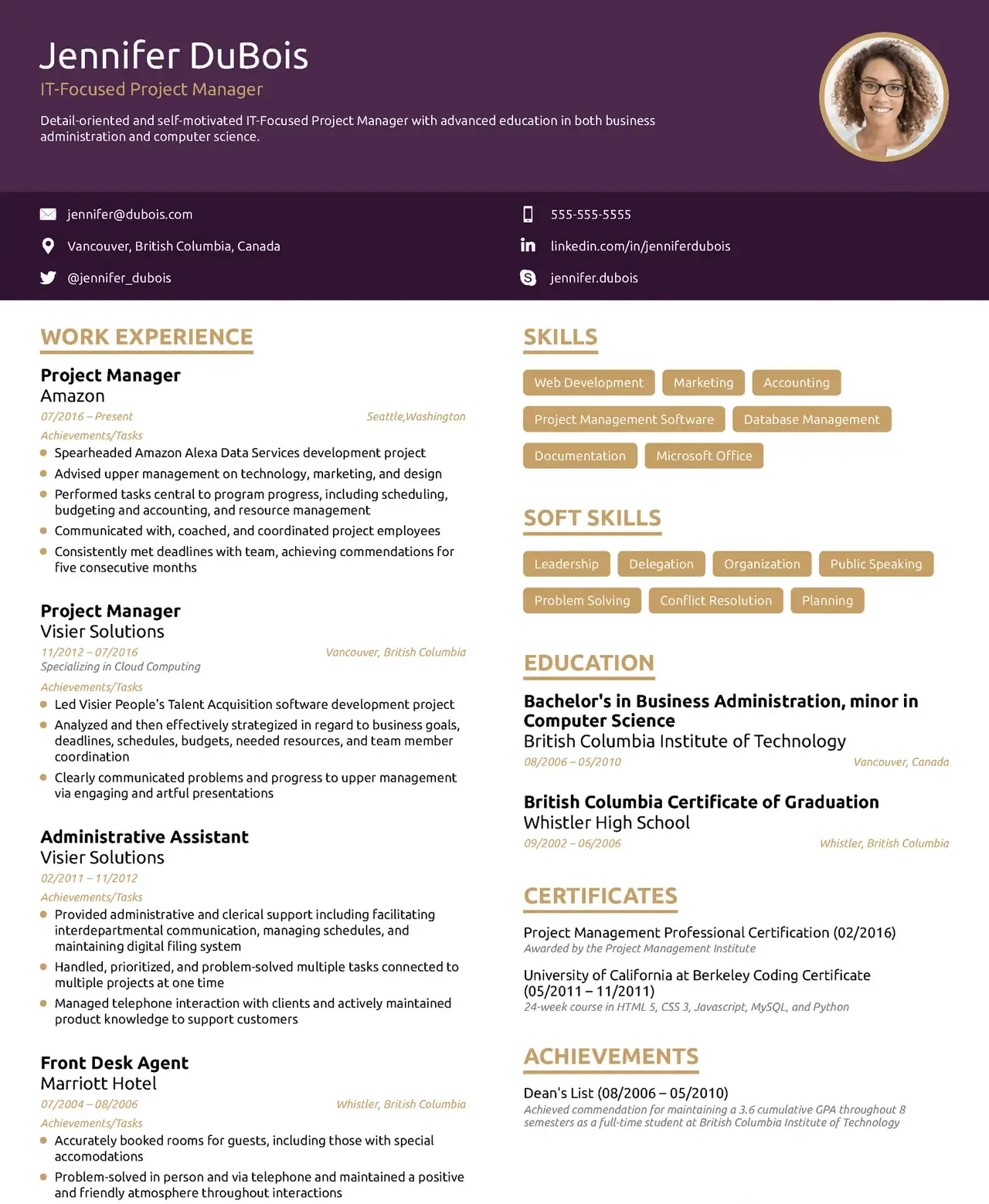
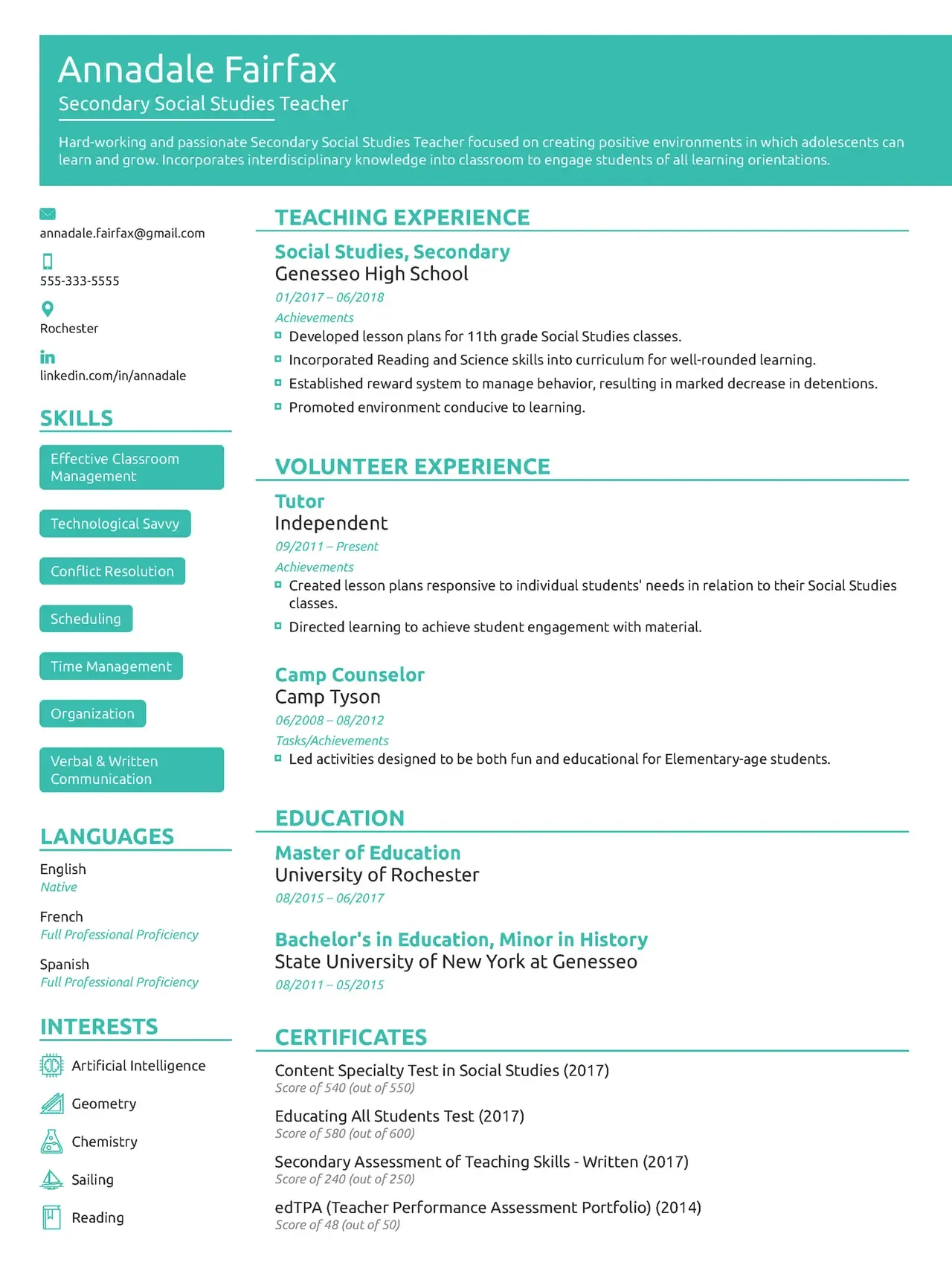
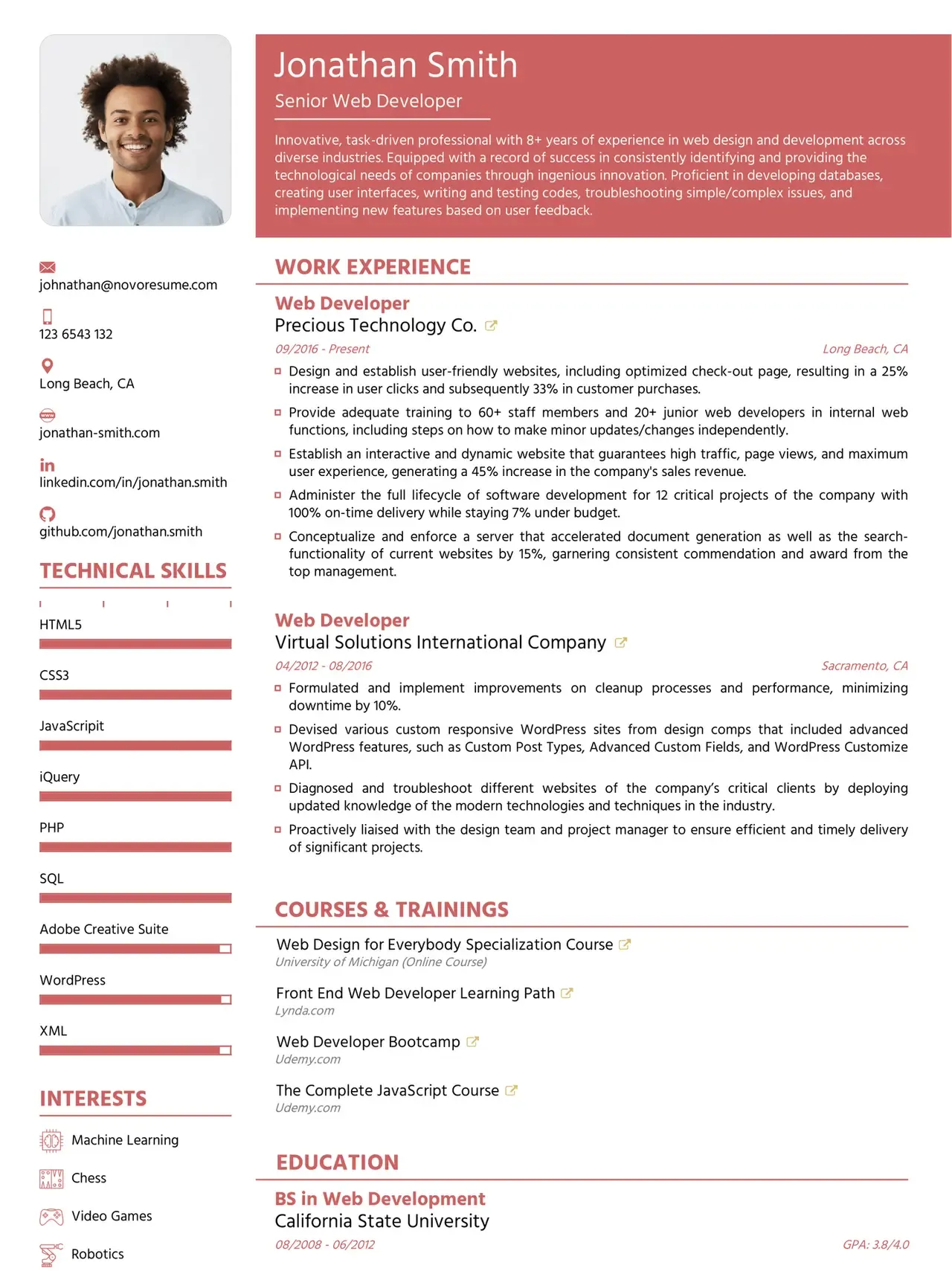
Download and Create resume with readymate form
.webp)



.webp&folder=chronological-resume-images)


