Table of Contents
- What Is a Resume Opening?
- Why Your Resume Opening Matters So Much
- Types of Resume Openings
- How to Write a Resume Opening Step by Step
- Adding Keywords to Your Resume Opening
- Resume Opening Examples by Career Stage
- Common Resume Opening Mistakes to Avoid
- Free Tools to Build Your Resume Opening
- Frequently Asked Questions
- Conclusion
Free Resume Builder
Don’t let a weak resume decide your future.
Thousands of people are getting rejected — not because they’re bad, but because their resume doesn’t speak for them. Make a resume that actually gets shortlisted.
Your next job is closer than you think.
Start in 2 minutes.
No complicated forms. Just pick a template, fill details, And Apply.
Apply Now Your Job →What Is a Resume Opening?
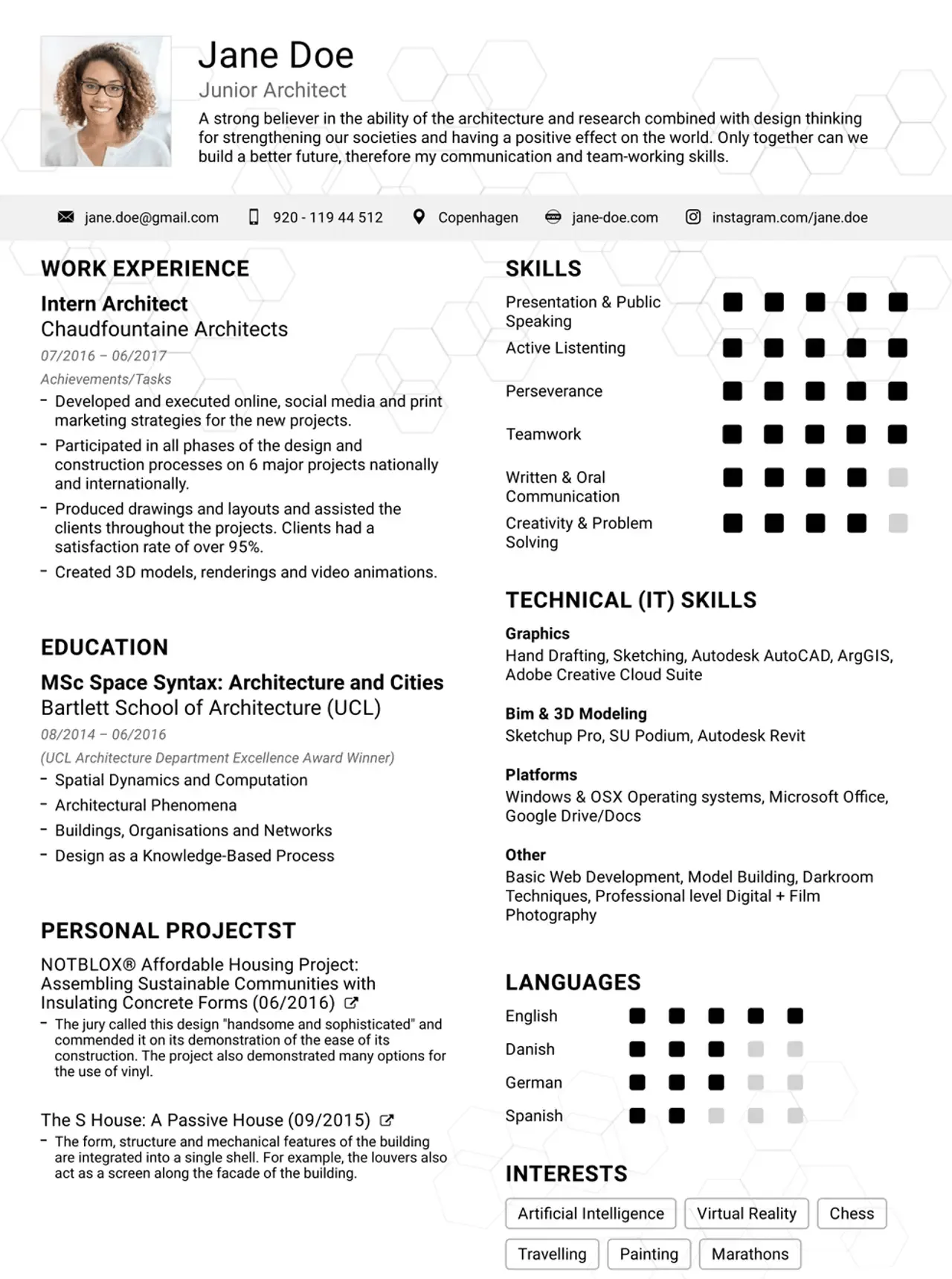
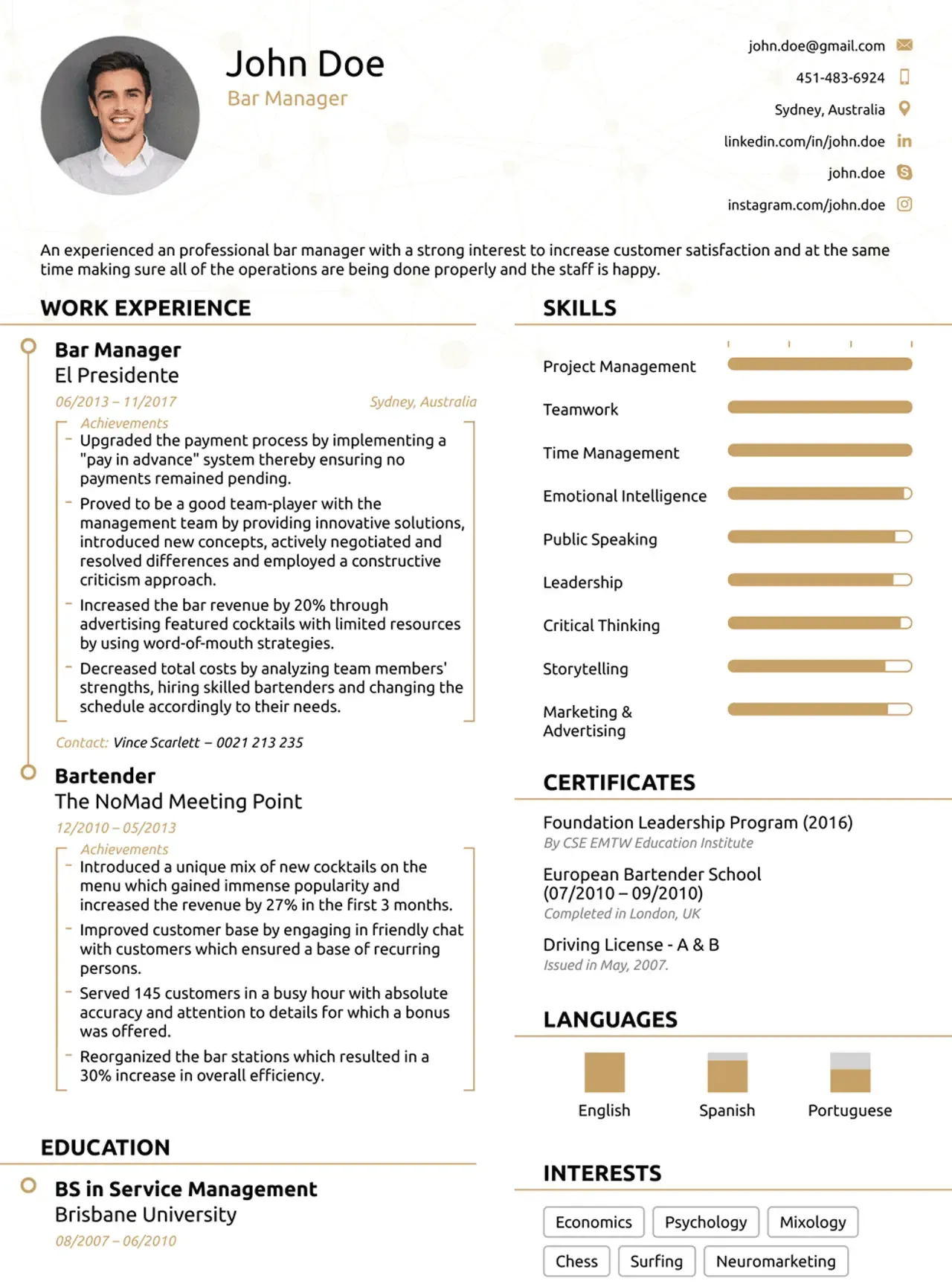
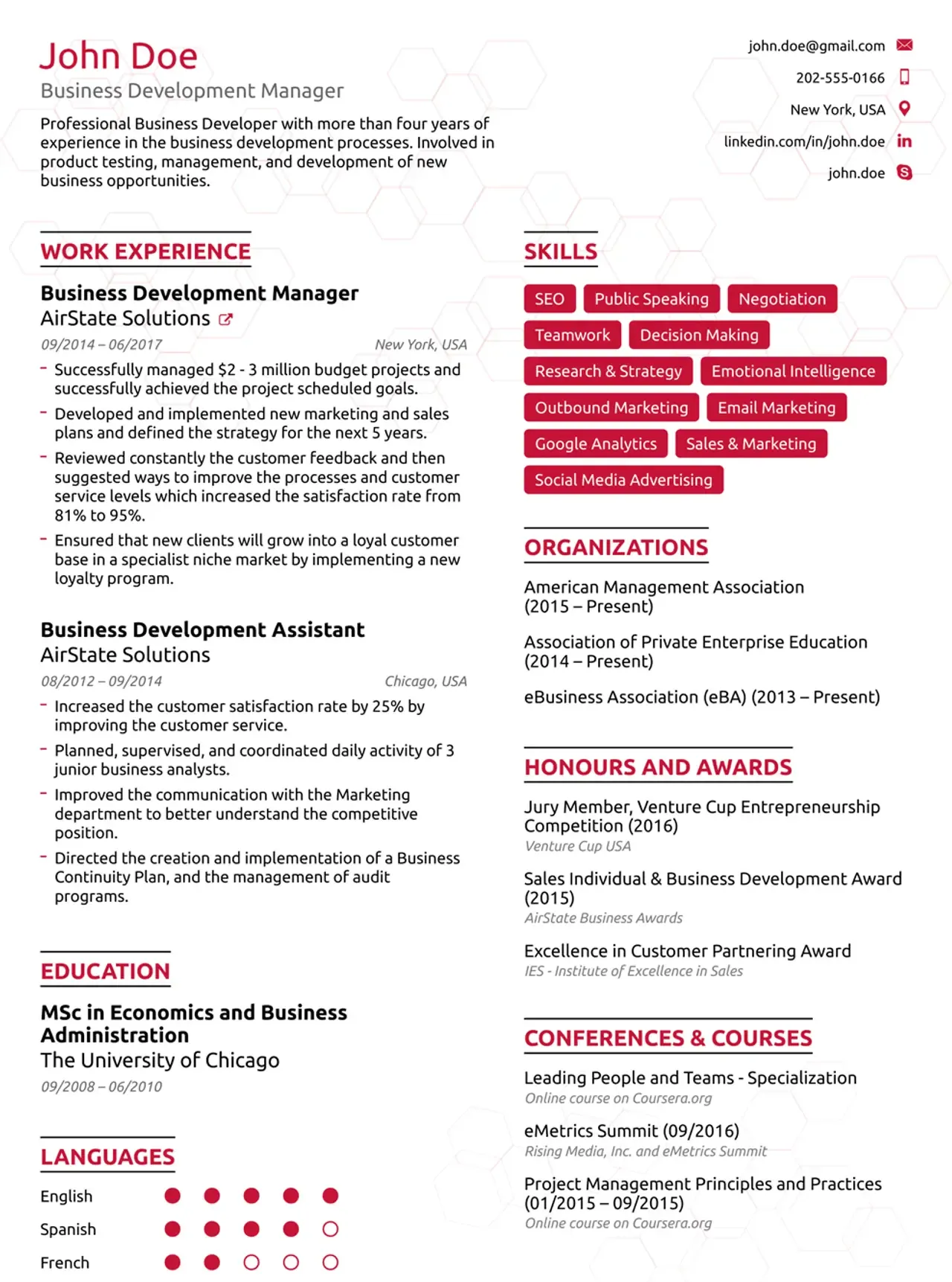
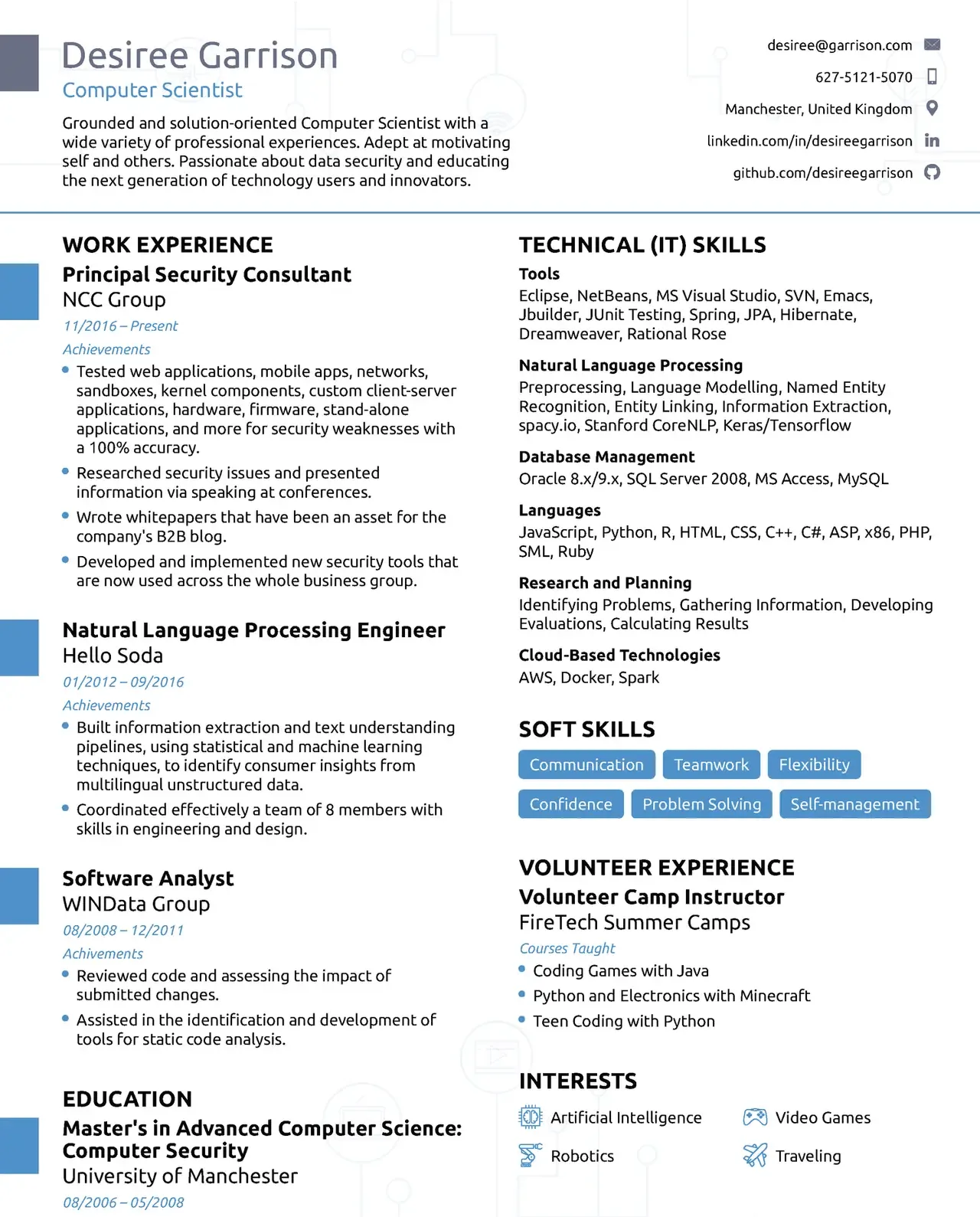
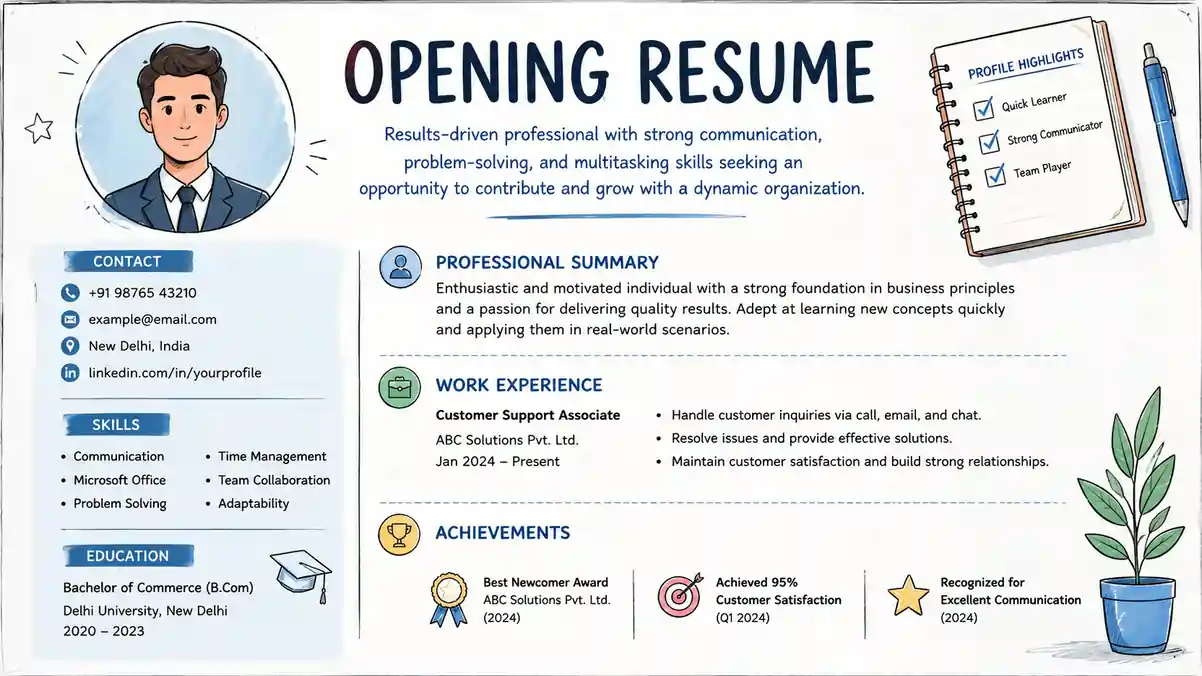
A resume opening is the short paragraph or headline placed directly under your name and contact details at the top of your resume. Think of your resume opening as your elevator pitch on paper — the first thing a recruiter reads before deciding whether the rest of your resume is worth their time. A well-crafted resume opening summarizes your professional identity, top skills, and biggest achievements in just two to four sentences.
Unlike an outdated resume objective, which focuses on what you want from the job, a modern resume opening focuses on the value you deliver to an employer. This shift from "what I want" to "what I offer" is one of the most important changes in resume writing over the past decade, and getting your resume opening right can be the difference between landing an interview and getting filtered out at the very first glance.
Why Your Resume Opening Matters So Much
Recruiters and hiring managers often review hundreds of applications for a single role, and most only skim the top third of the page before deciding to continue reading or reject a candidate. This makes your resume opening the highest-value real estate on the entire document. A compelling resume opening does three things simultaneously: it grabs attention, it proves relevance to the specific job, and it encourages the recruiter to keep reading the rest of your resume in detail.
- Creates a strong first impression within seconds of the recruiter opening your file.
- Summarizes years of experience and skills that might otherwise get lost lower down the page.
- Helps your application pass automated ATS keyword scans by front-loading important terms.
- Signals to the reader exactly what kind of role and industry you are targeting.
- Differentiates you from other candidates with similar job titles or backgrounds.
Types of Resume Openings
Not every resume opening looks the same, and choosing the right style depends on your experience level and career situation. Broadly speaking, there are three common formats for a resume opening: the resume summary, the resume objective, and the resume profile or offering statement.
Resume Summary
The resume summary is the most widely used resume opening today. It highlights your years of experience, core skills, and one or two quantifiable achievements. This type of resume opening works best for candidates with at least a few years of relevant work history.
Resume Objective
A resume objective is an older style of resume opening that states what you are looking for in a role rather than what you offer. While largely considered outdated, this type of resume opening can still work for students, freshers, or people switching industries with little direct experience. You can see detailed examples in our resume objective examples guide and our dedicated article on the career objective for resume.
Resume Profile or Offering Statement
A resume profile blends elements of both the summary and objective, focusing heavily on the specific value you will bring to a new employer. This resume opening style works well when changing careers or applying to a role that requires you to reframe past experience for a new context.
How to Write a Resume Opening Step by Step
Writing an effective resume opening does not have to be complicated if you follow a clear, repeatable structure. Use the steps below to craft a resume opening tailored to any job application.
- Start with your job title or professional identity. Lead your resume opening with the role you are targeting, such as "Digital Marketing Specialist" or "Full-Stack Developer."
- State your years of experience. Mention how long you have worked in the field to give immediate context to your resume opening.
- Highlight two to three key skills. Pull the most relevant key skills for resume sections directly from the job description.
- Add a quantifiable achievement. Numbers make your resume opening credible; reference our guide on resume achievements for inspiration.
- Keep it to three or four sentences. A resume opening should never run longer than five to six lines.
- Tailor it for every application. Rewrite your resume opening slightly for each job using language from the job description.
Adding Keywords to Your Resume Opening
Most companies now use Applicant Tracking Systems to scan resumes before a human ever sees them, so your resume opening should include exact keywords pulled from the job posting. If the listing mentions "project management," "Python," or "customer relationship management," weave those same terms naturally into your resume opening.
For a deeper breakdown of which terms to prioritize by industry, check our detailed article on resume keywords that help you pass ATS. Avoid keyword stuffing your resume opening — it should read naturally, not like a list of buzzwords copied straight from a job description.
Resume Opening Examples by Career Stage
Fresher / Entry-Level Resume Opening
"Recent Computer Science graduate with hands-on experience building three full-stack web applications during academic projects. Skilled in React, Node.js, and MySQL, with a strong foundation in problem-solving and team collaboration."
Mid-Level Professional Resume Opening
"Digital Marketing Executive with 5 years of experience managing SEO and paid campaigns for e-commerce brands. Increased organic traffic by 60% within one year through targeted keyword strategy and content optimization."
Career Changer Resume Opening
"Former high school teacher transitioning into corporate training, bringing 6 years of experience designing curriculum, public speaking, and simplifying complex concepts for diverse audiences."
Senior-Level Resume Opening
"Operations Director with 12+ years leading logistics teams of 50+ across three states. Reduced supply chain costs by 22% while improving on-time delivery rates to 98%."
Notice how every resume opening above follows the same formula: identity, experience, skills, and a measurable result. You can find more formatting inspiration in our resume templates guide.
Common Resume Opening Mistakes to Avoid
- Using vague buzzwords like "hardworking" or "team player" without proof.
- Writing a resume opening longer than five or six lines.
- Copy-pasting the same generic resume opening for every job application.
- Focusing on what you want instead of what you offer the employer.
- Forgetting to proofread — a resume opening full of typos undermines credibility instantly.
- Leaving out numbers when quantifiable results are available.
Before finalizing your resume, always run it through a checklist. Our resume checklist covers formatting, grammar, and ATS compatibility beyond just the opening section.
Free Tools to Build Your Resume Opening
You do not need expensive software to craft a professional resume opening. Free platforms like ResumeEra let you generate ATS-friendly resumes with pre-written opening statement suggestions tailored to your industry, without paywalls or hidden fees. This is especially useful for freshers who are unsure how to phrase their first resume opening, as covered in our guide on writing a resume with no work experience.
Conclusion
Your resume opening is the first — and sometimes only — chance you get to convince a recruiter that you are worth interviewing. By leading with your professional identity, backing it with real skills and numbers, and tailoring your resume opening for every application, you dramatically increase your odds of getting noticed. Ready to put this into practice? Build a free, ATS-friendly resume with a professionally structured opening statement at ResumeEra in minutes.